


What is Phishing and Why is it Dangerous?
Phishing refers to a type of cyber attack where an attacker impersonates a legitimate entity to deceive individuals into providing sensitive information or financial details. Typically carried out through emails, websites, or text messages, phishing attacks can take various forms, including spear phishing, whaling, and vishing. The intent is often to manipulate the target into clicking on a malicious link or downloading harmful attachments, ultimately leading to data breaches or financial theft.
The prevalence of phishing attacks in today’s digital workplace is alarming. With the increasing reliance on technology and the Internet, organizations are witnessing a surge in phishing attempts. Attackers are continuously refining their tactics to exploit human psychology, making it more challenging for individuals to discern between authentic communications and fraudulent ones. The potential motives of these attackers are typically centered around data theft, financial gain, or disrupting organizational operations.
Falling victim to phishing attacks can have dire consequences for both individuals and organizations. For employees, it can lead to identity theft, where personal information such as social security numbers or banking details are stolen, potentially resulting in significant financial loss. For organizations, the ramifications can include reputational damage, legal liabilities, and substantial financial setbacks due to lost revenue or regulatory penalties. Moreover, the compromise of sensitive data can lead to a lack of trust from clients and stakeholders, further jeopardizing the organization’s standing in the marketplace. Understanding the mechanics and dangers associated with phishing is crucial in navigating the complexities of the current digital landscape, thereby enabling both individuals and organizations to adopt more effective defensive strategies.
Common Phishing Techniques to Be Aware Of
Phishing attacks manipulate individuals into disclosing sensitive information or downloading harmful malware. One prevalent technique involves the use of fake emails that mimic trusted sources. Cybercriminals often craft emails that appear to originate from reputable companies or even colleagues within the organization. These emails may contain logos and formatting that closely resemble legitimate communications, making it challenging to discern their authenticity. For instance, a fraudulent email may alert the recipient of a supposed security breach and prompt them to click on a link to verify their account information.
Another common phishing tactic involves the inclusion of malicious links in the communication. These links are often disguised, with the URL appearing to be legitimate. Upon clicking, users are directed to harmful websites that may install malware on their devices or steal personal data. A typical example could involve a link claiming to direct users to a company’s internal portal, which instead leads to a site controlled by attackers, designed to harvest credentials.
Urgent payment requests also constitute a significant phishing technique. Scammers create a sense of panic, urging employees to transfer money immediately to avoid dire consequences. These requests may reference overdue payments and threaten account interruptions or legal actions, compelling the recipient to act without proper verification. A case in point is an email that appears to come from a high-ranking official within the company, demanding a quick payment process.
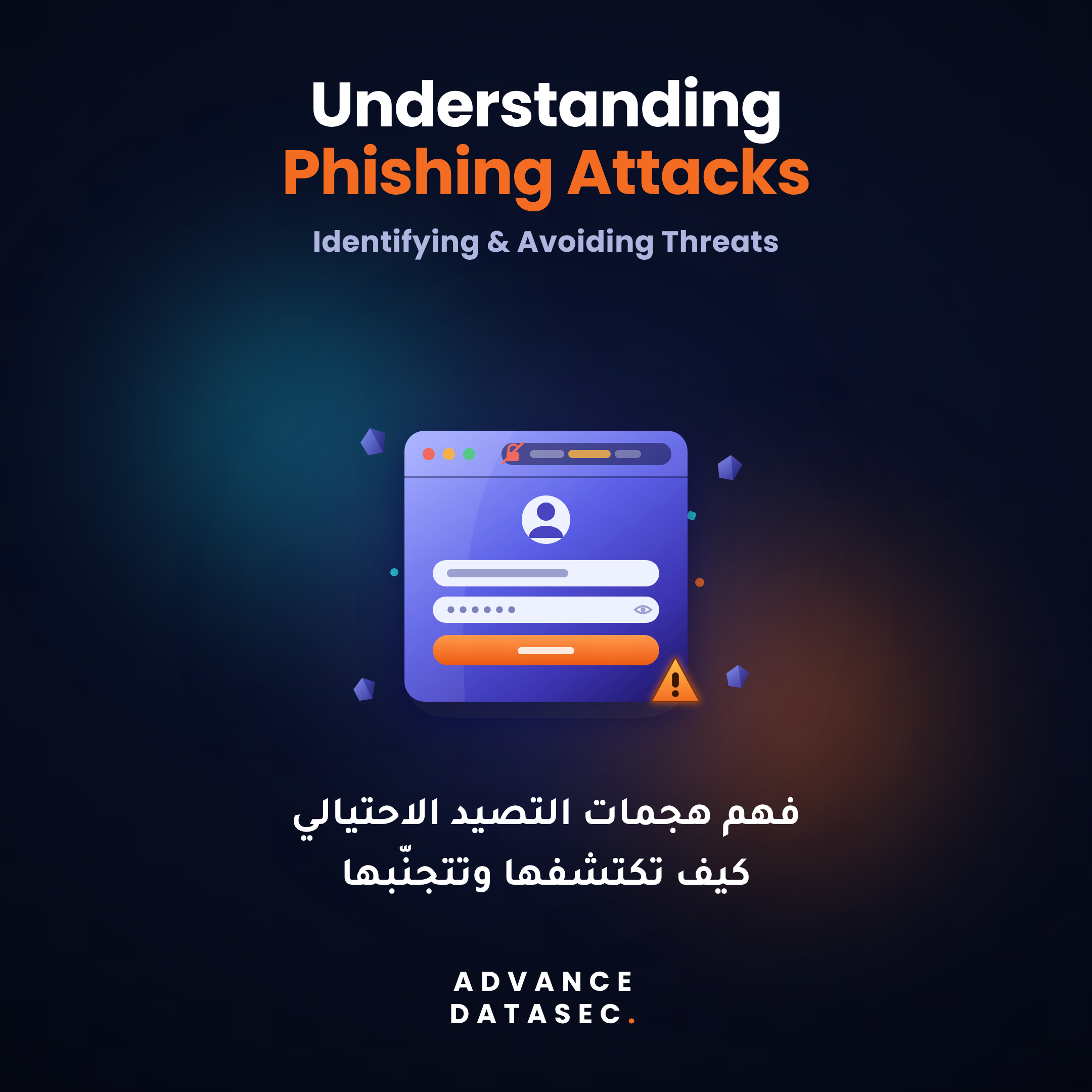
Lastly, cybercriminals often design fake login pages that look remarkably similar to the real ones. When users enter their credentials on these counterfeit sites, they inadvertently provide their sensitive information directly to the attackers. An example includes a phishing email with a link to a login page that resembles an organization’s official portal, complete with logos and design elements that could easily deceive unsuspecting employees.
Practical Steps to Identify Phishing Attempts
In today’s digital landscape, identifying phishing attempts is crucial for maintaining security. Employees play a significant role in safeguarding sensitive information, and being alert to potential threats is essential. Here are several actionable steps to help recognize phishing attempts effectively.
First and foremost, always check the sender’s email address. Phishers often use addresses that look similar to legitimate organizations but contain subtle differences. For instance, an email from “support@yourbank.com” might become “support@yourb4nk.com” with a numerical substitution. Always scrutinize email addresses closely to avoid falling victim to such tactics.
Next, it is advisable to hover over links before clicking. By moving the cursor over a link without clicking, employees can preview the actual URL where the link will lead. If the address looks suspicious or does not correspond to the expected domain, it is wise to refrain from clicking. For example, an email may contain a link labeled “Click here for your account update,” but hovering might reveal a completely unrelated address.
Additionally, if an email makes urgent requests for personal information, it’s imperative to verify the request by making a direct phone call to the organization in question. Phishing attempts often create a false sense of urgency to pressure individuals into providing sensitive information quickly. Taking a moment to confirm the legitimacy of the request can prevent unauthorized access to sensitive data.
Lastly, utilizing security software can act as an additional layer of protection. Such software often includes features that help identify and block potential phishing emails and malicious websites. Ensuring that this software is regularly updated will enhance protection against evolving phishing tactics.
Creating a Phishing Response Protocol
In an era where cyber threats are increasingly prevalent, establishing a comprehensive phishing response protocol is crucial for safeguarding organizational assets. Employees play a significant role in this process, and it is essential for them to know how to respond if they suspect they have encountered a phishing attempt.
The first step in responding to a potential phishing attack is to report the incident to the IT department immediately. Employees should be encouraged to use designated communication channels to effectively convey their concerns. Providing clear guidelines on reporting—such as what details to include in the report, such as email headers, links, and any suspicious attachments—can enhance the efficiency of the response. Ensuring that employees feel comfortable reporting potential threats without fear of reprisal is vital to fostering a proactive security culture.
If an employee believes they have fallen victim to a phishing attack, it is important to take immediate action. This may include changing passwords for compromised accounts, alerting IT to any unauthorized access, and possibly monitoring personal accounts for unusual activity. Offering a step-by-step remediation checklist can empower employees to act decisively in such situations, reducing potential damage.
Ongoing training and awareness initiatives are also essential for maintaining vigilance against phishing threats. Regular workshops, newsletters, and simulated phishing exercises can serve as effective tools to enhance employee awareness and readiness. Allocate resources for employees to access materials on identifying and avoiding phishing attacks, reinforcing the importance of continuous learning.
Ultimately, creating a robust phishing response protocol not only protects the organization from threats but also builds a culture of security where every employee understands their responsibility in the prevention of cyber attacks.