



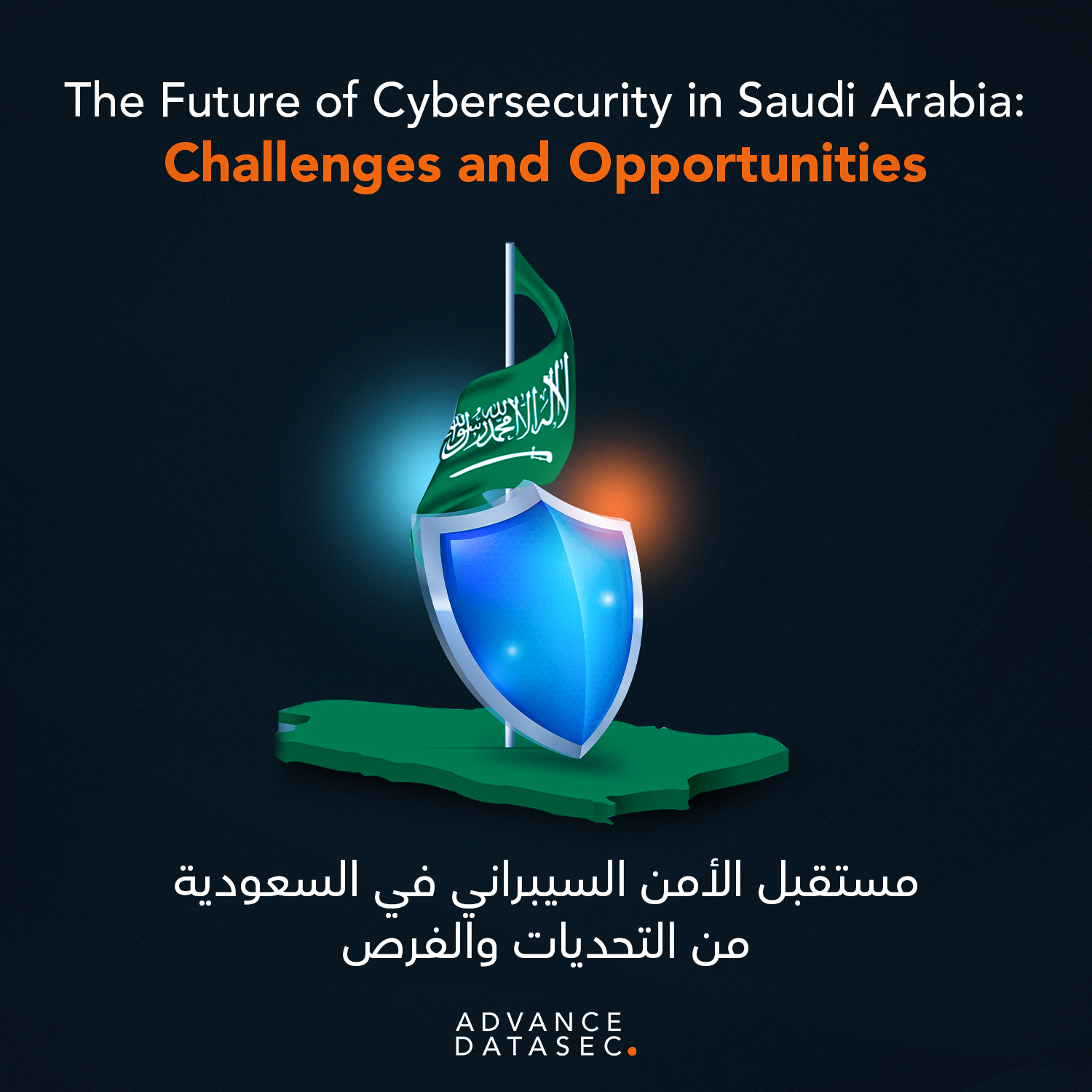
The Kingdom of Saudi Arabia is currently witnessing an unprecedented digital revolution. Under the ambitious umbrella of Vision 2030, the nation is transitioning into a global investment powerhouse and a hub for advanced technology. However, with rapid digitalization comes a sophisticated landscape of risks. As businesses migrate to the cloud and embrace Artificial Intelligence (AI), understanding the future of cybersecurity becomes not just a technical requirement, but a cornerstone of national and corporate resilience.
For Saudi organizations, the path forward is paved with both significant hurdles and transformative possibilities. In this article, we analyze the shifting paradigms of the Saudi cyber landscape and how proactive strategies can turn potential threats into competitive advantages.
The Vision 2030 Catalyst: A Digital-First Nation
Saudi Arabia’s digital transformation is one of the fastest in the world. From the futuristic cognitive city of NEOM to the digitizing of essential government services via the “Absher” and “Tawakkalna” platforms, technology is integrated into every facet of life.
However, this hyper-connectivity expands the “attack surface.” The future of cybersecurity in the Kingdom is directly tied to the success of these mega-projects. As the infrastructure becomes more complex, the demand for “Security by Design”—where protection is built into the foundation of every project—is becoming the new standard.
2. Emerging Challenges in the Saudi Cyber Landscape
Despite the progress, several challenges remain at the forefront for IT leaders and CISOs in the region:
A. Sophisticated Ransomware and AI-Powered Attacks
Cybercriminals are no longer lone actors; they are organized entities using AI to craft highly convincing phishing campaigns and automated malware. In Saudi Arabia, where the financial and energy sectors are high-value targets, ransomware remains a critical threat that can disrupt national supply chains.
B. The Cybersecurity Talent Gap
The demand for skilled professionals is outstripping supply. While initiatives by the National Cybersecurity Authority (NCA) and the Saudi Federation for Cybersecurity, Programming and Drones (SAFCSP) are making strides, many organizations still struggle to find local experts capable of managing complex incident responses and threat hunting.
C. Regulatory Compliance Pressures
The NCA has introduced stringent frameworks, such as the Essential Cybersecurity Controls (ECC) and Critical Systems Cybersecurity Controls (CSCC). For businesses, staying compliant while maintaining operational agility is a delicate balancing act.
3. Opportunities: Redefining the Defense Strategy
Where there are challenges, there are also opportunities for innovation. The future of cybersecurity in Saudi Arabia is being reshaped by several key trends:
I. Adoption of Zero Trust Architecture
The old “perimeter defense” (firewalls) is no longer enough. The shift toward Zero Trust—a framework that assumes every user and device is a potential threat until verified—is gaining massive traction. This approach ensures that even if a breach occurs, the damage is contained.
II. AI and Automation in Threat Detection
To fight AI-driven threats, organizations are deploying AI-driven defenses. Machine learning algorithms can now analyze billions of data points in real-time to spot anomalies that a human eye would miss, reducing response times from days to seconds.
III. Growth of Localized Cloud Security
With data localization laws requiring sensitive Saudi data to be stored within the Kingdom, there is a massive opportunity for local cloud providers and security firms to offer tailored, compliant solutions that respect national sovereignty.
4. How Businesses Can Prepare for 2025 and Beyond
To navigate the future of cybersecurity successfully, Saudi businesses must move from a reactive “break-fix” mindset to a proactive, strategic posture.
- Continuous Vulnerability Management: Don’t wait for an annual audit. Implement continuous scanning and penetration testing to find weaknesses before attackers do.
- Employee Awareness as a Culture: Your staff is your first line of defense. Regular phishing simulations and security training should be part of the corporate DNA.
- Aligning with GRC: Aligning your business goals with Governance, Risk, and Compliance (GRC) frameworks not only ensures legality but also builds trust with international partners and stakeholders.
5. The Role of Specialized Partners
As the landscape becomes more volatile, internal IT teams often find themselves overwhelmed. Partnering with a specialized firm that understands the local regulatory environment (NCA, SAMA) and the specific cultural nuances of the Saudi market is no longer optional—it is a strategic imperative.
The future of cybersecurity belongs to those who view security as an enabler of growth, not a barrier. By investing in offensive security (identifying gaps) and defensive resilience (real-time monitoring), Saudi organizations can contribute to a safer digital world.
Conclusion
The journey toward a fully digitized Saudi Arabia is filled with immense potential. While the threats are becoming more sophisticated, the tools and frameworks available to defend against them have never been stronger. By focusing on talent development, adopting cutting-edge technologies like AI and Zero Trust, and maintaining rigorous compliance with NCA standards, the Kingdom is set to become a global leader in cyber resilience.
The future of cybersecurity is proactive, intelligent, and collaborative.
Protect Your Digital Transformation with Advance Datasec
In an era of evolving threats, your business needs a partner that combines local expertise with world-class security standards. At Advance Datasec, we are dedicated to safeguarding the Saudi digital landscape. Whether you need comprehensive penetration testing, GRC consultation to meet NCA requirements, or secure software development, our team of experts is ready to fortify your defenses.
Don’t leave your organization’s future to chance. Contact Advance Datasec today for a comprehensive security assessment and take the first step toward a secure and resilient digital journey.

For More Articles: