



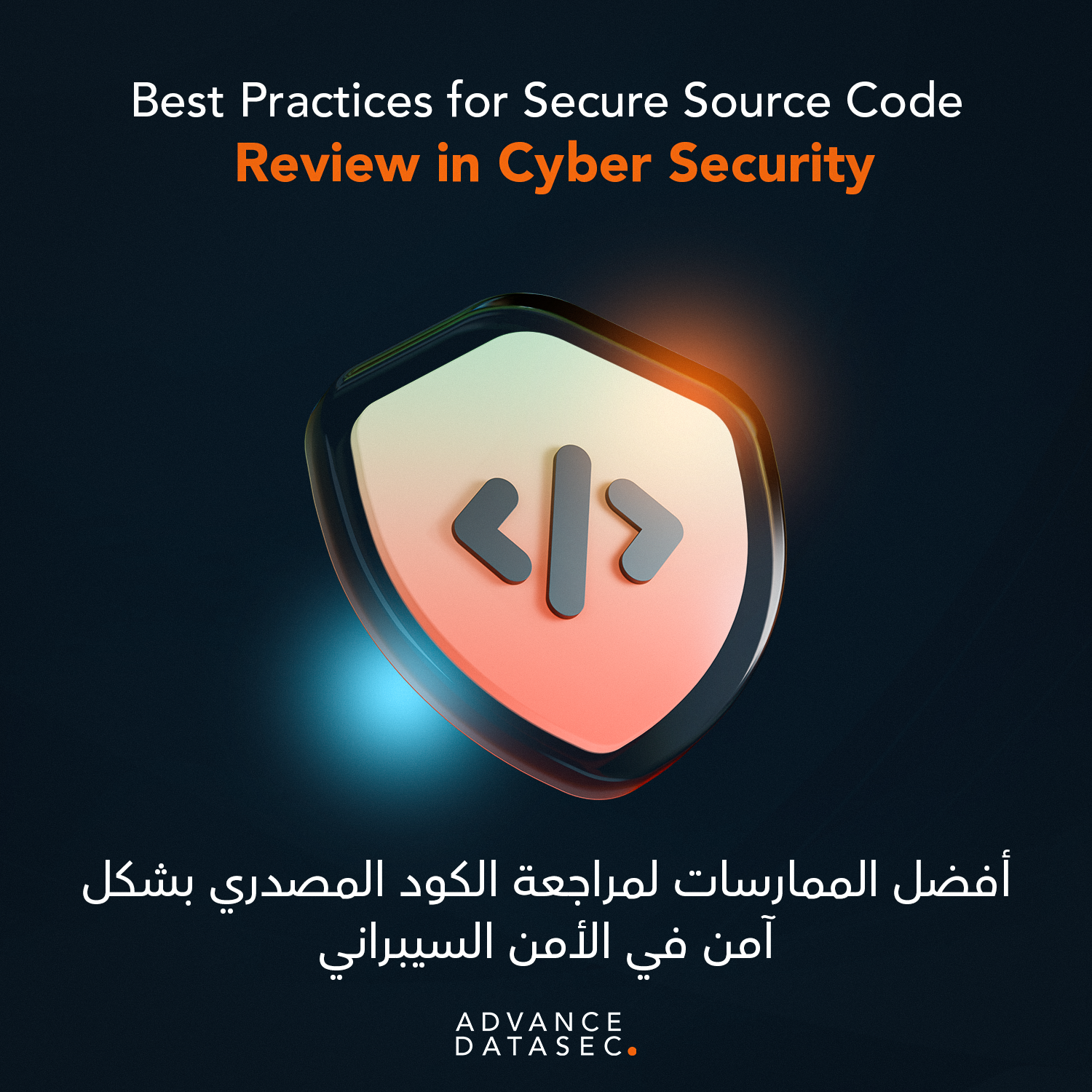
Best Practices for Secure Source Code Review in Cyber Security
In the rapid world of software development, speed often comes at the expense of security. As businesses in Saudi Arabia and globally push for faster digital transformation, the applications they build become the backbone of their operations. However, a single vulnerability in the underlying code can lead to catastrophic data breaches, financial loss, and regulatory penalties. This is where source code review in cyber security becomes an indispensable pillar of a resilient defense strategy.
Building secure software is not just about perimeter defenses or firewalls; it starts at the very foundation—the source code. In this comprehensive guide, we will explore the best practices for conducting secure code reviews and why this proactive approach is essential for any modern enterprise.
What is Secure Source Code Review?
Secure source code review is the systematic examination of an application’s source code to identify security-related flaws. Unlike functional testing, which ensures the app “works,” a security-focused review ensures the app is “hardened” against malicious exploitation.
By performing a source code review in cyber security, developers and security experts can find vulnerabilities that automated tools might miss, such as complex logic flaws, insecure cryptographic implementations, and authorization bypasses.
Why Source Code Review is Critical for Your Business
The “Shift Left” philosophy in DevSecOps emphasizes moving security testing to the earliest possible stage of the development lifecycle. Here is why it matters:
- Cost-Efficiency: Identifying a bug during the coding phase is significantly cheaper than fixing a breach after the application has been deployed.
- Data Integrity: It ensures that sensitive customer and corporate data are handled according to the highest security standards.
- Regulatory Compliance: For firms in the KSA, adhering to SAMA and NCA frameworks requires rigorous security assessments, where code reviews play a central role.
- Brand Trust: Delivering secure software builds long-term trust with your users and stakeholders.
Best Practices for a Successful Source Code Review
To get the most out of your source code review in cyber security, following a structured set of best practices is vital.
1. Combine Automated and Manual Analysis
A robust review process utilizes both Static Application Security Testing (SAST) tools and manual expert oversight.
- Automated Tools: These are excellent for scanning thousands of lines of code quickly to find common “low-hanging fruit” like SQL injection or buffer overflows.
- Manual Review: Human experts are needed to understand the business logic. A machine cannot easily determine if a specific data flow violates a complex corporate privacy policy.
2. Focus on High-Risk Areas First
Not all code is created equal. When performing a source code review in cyber security, prioritize sections of the application that handle:
- Authentication and Authorization modules.
- Data encryption and decryption processes.
- Input validation and output encoding.
- External API integrations and third-party libraries.
3. Utilize the OWASP Top 10 as a Blueprint
The Open Web Application Security Project (OWASP) provides a globally recognized list of the most critical security risks. Using this as a checklist ensures that your review covers the most likely attack vectors, from broken access control to cryptographic failures.
4. Create a Standardized Security Checklist
Consistency is key. Organizations should develop a standardized checklist tailored to their specific programming languages (e.g., Java, Python, PHP) and frameworks. This ensures that every review, regardless of who performs it, adheres to the same rigorous quality standards.
5. Context is Everything
A vulnerability in a public-facing web portal is much more critical than the same vulnerability in an internal, non-sensitive tool. Understanding the context of the application allows security teams to prioritize remediation efforts effectively, reducing the “noise” of non-critical alerts.
The Challenges of In-House Code Reviews
While many companies attempt to perform reviews internally, they often face significant hurdles:
- Skill Gaps: Developers are trained to build features, not necessarily to think like hackers.
- Internal Bias: It is naturally difficult for a developer to find flaws in their own work or the work of a close teammate.
- Resource Constraints: Deep-dive security reviews are time-consuming and can slow down release cycles if the team is understaffed.
Engaging an external specialist for source code review in cyber security provides a fresh, unbiased perspective and access to specialized tools and expertise that may not be available in-house.
Building a Security-First Development Culture
Ultimately, secure code review should not be a “policing” action but a collaborative effort between developers and security teams.
- Feedback Loops: Security findings should be shared with developers as learning opportunities to prevent similar mistakes in the future.
- Documentation: Maintain clear records of reviews and remediations to demonstrate compliance to auditors and regulators.
- Continuous Improvement: As new threats emerge, update your review checklists and automated tool configurations.
Conclusion: Securing the Core of Your Digital Assets
In an era of sophisticated cyber threats, your application’s code is your first and most important line of defense. By implementing a rigorous source code review in cyber security, you move beyond reactive security to a proactive stance that stops attackers before they can even start.
For Saudi businesses aiming for excellence under Vision 2030, secure software is not just a preference—it is a requirement for participating in the global digital economy.
Is Your Application’s Code Truly Secure? Don’t leave your security to chance. At Advance Datasec, we offer expert Secure Source Code Review services designed to identify deep-seated vulnerabilities within your applications. Our team of specialists combines advanced automated scanning with meticulous manual analysis to ensure your software is resilient, compliant, and ready for the market.
Take control of your application security today. Contact Advance Datasec for a professional consultation and ensure your code is built on a foundation of trust.