
The financial sector in the Kingdom of Saudi Arabia is a cornerstone of the nation’s Vision 2030. As banks transition from traditional brick-and-mortar operations to sophisticated digital ecosystems, they become prime targets for global cyber threats. Recognizing this, the Saudi Central Bank (SAMA) established a world-class regulatory standard to ensure the resilience of the financial industry.
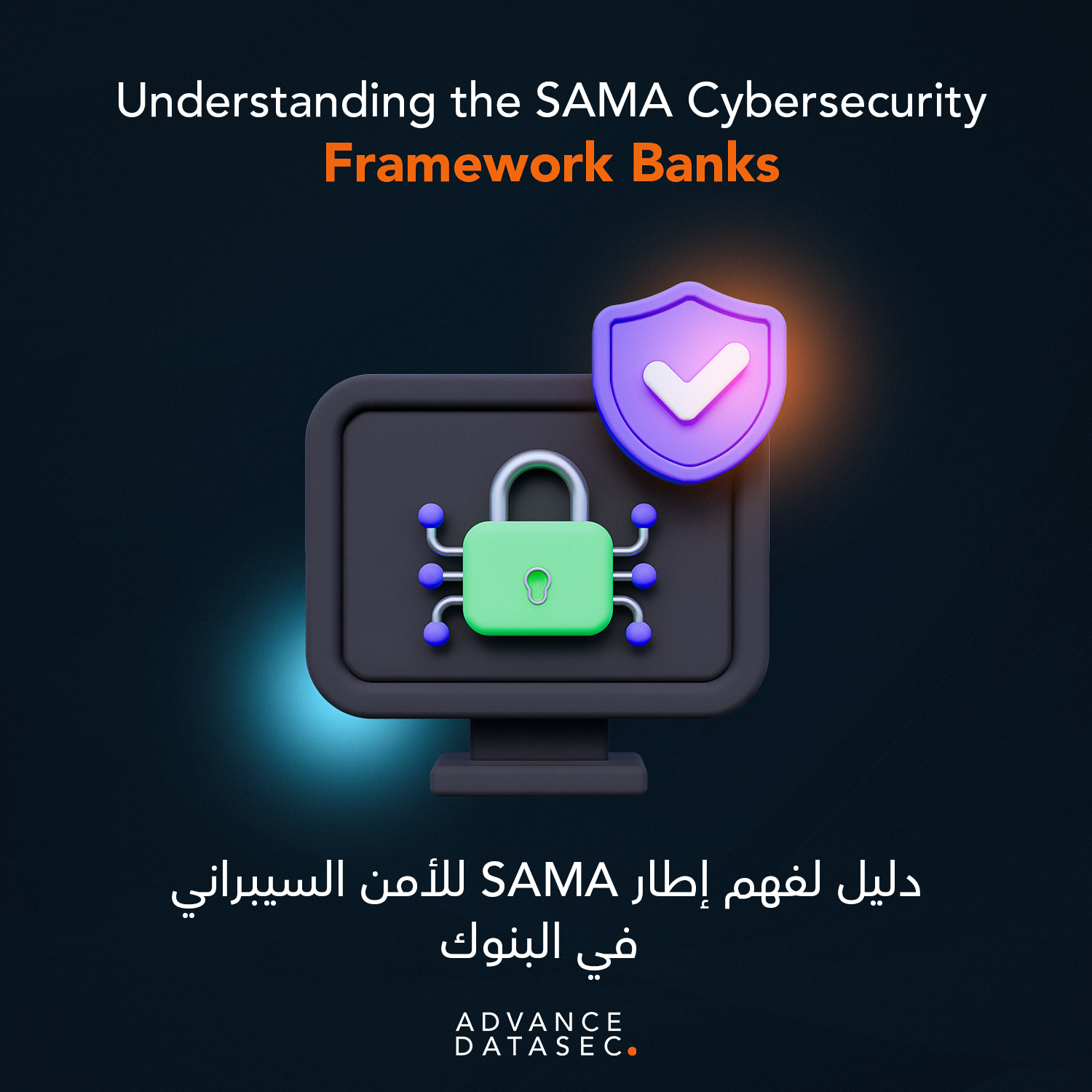
The SAMA cybersecurity framework banks must adhere to is not merely a checklist; it is a strategic blueprint designed to protect citizen data, maintain financial stability, and foster trust in the digital economy. For financial institutions and their partners, understanding and implementing this framework is a critical requirement for operating within the Kingdom.
What is the SAMA Cybersecurity Framework?
Launched in 2017, the SAMA Cybersecurity Framework was developed to provide a comprehensive baseline for cybersecurity controls across all SAMA-regulated entities, including banks, insurance companies, and financing firms.
The framework is built upon best practices from international standards such as ISO 27001, NIST, and PCI-DSS, but it is uniquely tailored to the specific risks and cultural landscape of the Saudi financial market. The SAMA cybersecurity framework banks use focuses on enabling these institutions to identify, detect, protect, respond to, and recover from cybersecurity incidents effectively.
The Four Pillars of the Framework
To ensure holistic protection, SAMA organized the framework into four main domains. Each domain contains specific sub-categories that address different layers of the security posture:
1. Cybersecurity Leadership and Governance
Governance is the foundation of the framework. SAMA mandates that cybersecurity is not just an IT issue but a board-level responsibility.
- Establishment of a Cybersecurity Committee: Banks must have a dedicated committee to oversee strategy.
- Policy and Architecture: Clear, documented policies must define the security standards for the entire organization.
- Compliance and Risk Management: Regular assessments are required to ensure that the bank is meeting the rigorous standards set by the regulator.
2. Cybersecurity Risk Management and Compliance
This pillar focuses on the proactive identification of threats. The SAMA cybersecurity framework banks implement requires a continuous cycle of risk assessment. Banks must evaluate the potential impact of cyber threats on their critical business functions and implement controls proportional to that risk.
3. Cybersecurity Operations and Technology
This is the technical heart of the framework. It covers the actual “defense” mechanisms, including:
- Identity and Access Management (IAM): Ensuring only authorized personnel can access sensitive financial systems.
- Network Security: Protecting the communication channels between the bank and its customers.
- Secure Software Development: Ensuring that mobile banking apps and web portals are built securely from the ground up.
- Incident Response: Having a battle-tested plan to react when a breach occurs.
4. Third-Party Cybersecurity Relationship Management
In the modern world, banks rely on a web of vendors, cloud providers, and fintech partners. SAMA requires that banks extend their security standards to these third parties. If a vendor has access to bank data, they must also align with the principles of the SAMA cybersecurity framework banks are governed by.
Why Compliance is Non-Negotiable
For Saudi banks, compliance with SAMA is a license to operate. However, the benefits go far beyond avoiding regulatory fines:
- Consumer Trust: In banking, trust is the primary currency. Customers are more likely to utilize digital services if they know their data is protected by government-mandated standards.
- Operational Resilience: By following the framework, banks reduce the likelihood of costly downtime caused by ransomware or DDoS attacks.
- Market Alignment: Compliance ensures that the Saudi financial sector remains integrated with global financial markets, which demand high security standards for international transactions.
Challenges in Implementing the SAMA Cybersecurity Framework for Banks
While the framework provides a clear path, the journey toward full compliance can be complex. Many institutions face the following hurdles:
- Talent Scarcity: Finding cybersecurity professionals who understand both the technical requirements and the specific SAMA regulatory language can be difficult.
- Legacy Systems: Many banks still operate on older core banking systems that were not originally designed with modern cybersecurity controls in mind.
- Continuous Evolution: The threat landscape changes daily. Staying compliant with the SAMA cybersecurity framework banks use requires constant updates to technology and processes.
Best Practices for a Successful SAMA Audit
To successfully navigate a SAMA assessment, banks should consider a phased approach:
- Gap Analysis: Conduct a thorough audit of current controls against SAMA requirements to identify where the institution falls short.
- Prioritize Critical Assets: Focus initial efforts on protecting the systems that handle sensitive customer data and high-value transactions.
- Automate Compliance: Utilize GRC (Governance, Risk, and Compliance) tools to track adherence to the framework in real-time, rather than relying on manual spreadsheets.
- Foster a Security Culture: Security is everyone’s job. Conduct regular training for all staff—from tellers to the CEO—on the importance of the SAMA cybersecurity framework banks prioritize.
The Role of Specialized Cybersecurity Partners
Given the complexity of the mandates, many Saudi financial institutions choose to collaborate with specialized cybersecurity firms. These partners provide the specialized knowledge and technical tools—such as advanced SIEM and EDR solutions—needed to meet SAMA’s rigorous demands.
A local partner who understands the Saudi regulatory environment can bridge the gap between high-level policy and technical implementation, ensuring that the bank is not just compliant on paper, but truly secure in practice.
Conclusion
The SAMA cybersecurity framework banks must follow is an essential component of the Kingdom’s economic security. By setting high standards for governance, technology, and risk management, SAMA is ensuring that the Saudi financial sector remains one of the most resilient in the world. As digital threats continue to evolve, the framework will remain the primary shield protecting the wealth and data of the nation.
Achieving and maintaining SAMA compliance is a journey, not a destination. At Advance Datasec, we understand the intricate details of the Saudi financial regulatory landscape. We offer specialized GRC consultation, technical security audits, and defensive security services designed specifically to align with the SAMA cybersecurity framework banks rely on.
Is your institution fully prepared for its next SAMA assessment?
Ensure your compliance and fortify your defenses with experts who understand the regional requirements. Contact Advance Datasec today to schedule a comprehensive SAMA readiness consultation and protect your financial future.