




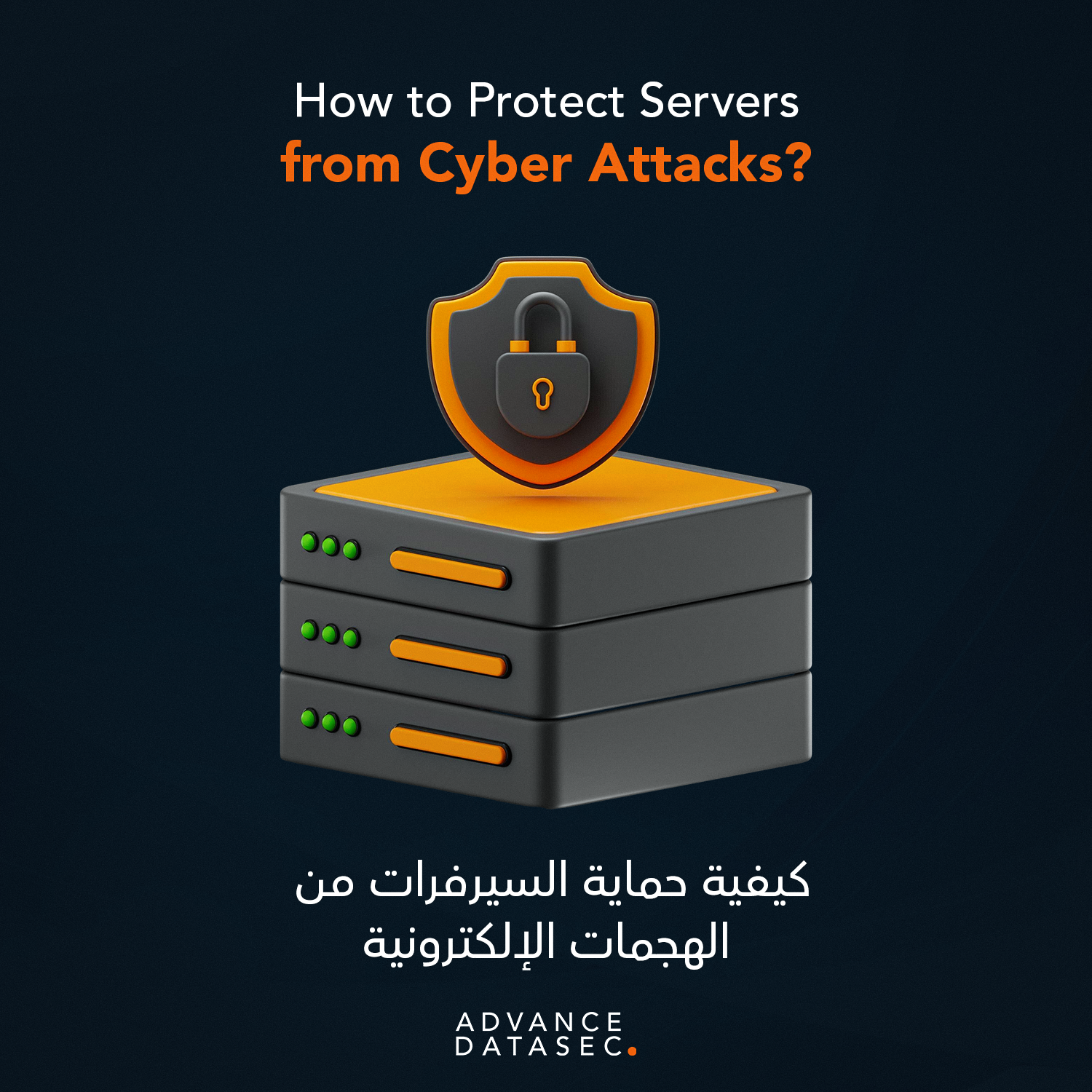
In the digital landscape of the 21st century, servers are the heart of any business. They store sensitive customer data, host critical applications, and manage internal communications. However, this importance also makes them prime targets for hackers. As cyber threats grow more sophisticated, especially in high-growth markets like Saudi Arabia, knowing how to protect servers from cyber attacks is no longer just an IT concern—it is a fundamental business necessity.
At Advance Datasec, we understand that a single server breach can lead to devastating data loss, financial penalties, and a shattered reputation. This guide provides a deep dive into the best practices, strategies, and technical safeguards required to fortify your digital infrastructure.
The Rising Stakes: Why Server Security Matters
Servers are permanent fixtures on the internet, which means they are being scanned by malicious bots and hackers 24/7. Whether you are running an on-premise data center or utilizing cloud-based solutions, the goal of an attacker remains the same: unauthorized access.
When you fail to protect servers from cyber attacks, you open the door to:
- Ransomware: Encrypting your entire database and demanding payment.
- Data Breaches: Theft of intellectual property or personal customer information.
- DDoS Attacks: Overwhelming your server to take your business offline.
1. Implement Strict Access Control
The first line of defense in server security is controlling who can enter the system. Unrestricted access is an open invitation for trouble.
Use the Principle of Least Privilege (PoLP)
Only grant users the minimum level of access required to perform their jobs. For instance, a marketing intern should not have administrative access to the root directory of your web server.
Enforce Multi-Factor Authentication (MFA)
Passwords alone are no longer enough. By implementing MFA, you ensure that even if a password is stolen, the attacker cannot gain access without a second form of verification, such as a code sent to a mobile device or a biometric scan.
2. Regular Patching and Update Management
One of the most common ways hackers bypass security is by exploiting known vulnerabilities in outdated software. To effectively protect servers from cyber attacks, you must maintain a rigorous patching schedule.
- Operating System Updates: Keep Windows or Linux kernels updated to the latest stable versions.
- Third-Party Applications: Vulnerabilities often hide in plugins, CMS platforms, or database management tools.
- Automated Scanning: Use tools that automatically notify you when a new patch is released for your specific server environment.
3. Offensive Security: Think Like a Hacker
To defend your server, you must first understand how it can be attacked. This is where offensive security becomes invaluable.
Vulnerability Assessments (VA)
Regularly scanning your servers for weak points allows you to identify “open windows” before a criminal does. A vulnerability assessment provides a roadmap for what needs to be fixed immediately.
Penetration Testing
While a VA is automated, Penetration Testing (or PenTesting) involves ethical hackers manually attempting to breach your server. This real-world simulation is one of the most effective ways to protect servers from cyber attacks, as it uncovers complex flaws that automated tools might miss.
4. Network and Firewall Configuration
A server should never be directly exposed to the internet without a “shield.” Proper network configuration acts as a filter for incoming and outgoing traffic.
- Web Application Firewalls (WAF): These protect your server from web-specific attacks like SQL injection and Cross-Site Scripting (XSS).
- Disable Unused Ports: Every open port is a potential entry point. If a port (like FTP or Telnet) is not being used, it should be closed.
- VPN for Management: Administrative tasks should only be performed over a secure, encrypted Virtual Private Network (VPN) rather than the open web.
5. Defensive Monitoring and Incident Response
Protection is not just about building walls; it is about watching those walls 24/7. Modern cybersecurity requires a proactive “detection” mindset.
Endpoint Detection and Response (EDR)
Installing EDR solutions on your servers allows you to monitor internal processes in real-time. If a malicious script starts executing, the EDR can kill the process before it spreads through the network.
SIEM Integration
Security Information and Event Management (SIEM) systems collect logs from all your servers and analyze them for patterns of suspicious behavior. This “bird’s eye view” is essential for large-scale operations trying to protect servers from cyber attacks.
6. Data Encryption and Backups
Even with the best defenses, you must prepare for a “worst-case” scenario.
- Encryption at Rest: Ensure all data stored on the server disks is encrypted. If the physical drive is stolen or the cloud storage is accessed, the data remains unreadable.
- The 3-2-1 Backup Rule: Maintain three copies of your data, on two different media types, with at least one copy stored off-site (or in a separate, immutable cloud bucket).
7. Complying with Saudi Regulations (NCA & SAMA)
For businesses operating in the Kingdom of Saudi Arabia, server security is also a matter of legal compliance. The National Cybersecurity Authority (NCA) and SAMA have established frameworks that mandate specific server hardening techniques.
Aligning your server security with these standards not only avoids heavy fines but ensures that your business follows global best practices for protecting servers from cyber attacks.
Conclusion: A Continuous Commitment to Security
Server security is not a one-time project; it is a continuous cycle of assessment, protection, and monitoring. As hackers develop new tools using AI and automation, businesses must stay one step ahead by utilizing professional cybersecurity services.
The integrity of your data and the continuity of your operations depend on your ability to protect servers from cyber attacks. By combining strict access controls, regular offensive testing, and 24/7 defensive monitoring, you can build a resilient digital fortress.
Are your servers truly secure, or are you just one vulnerability away from a catastrophe? At Advance Datasec, we specialize in comprehensive server hardening, penetration testing, and GRC compliance tailored for the Saudi market. Don’t leave your most valuable assets to chance. Contact Advance Datasec today to secure your infrastructure and ensure your business stays protected against the threats of tomorrow.