




In the contemporary business landscape, digital transformation is no longer a futuristic concept—it is the current heartbeat of global commerce. From the bustling financial hubs of Riyadh to the tech corridors of Silicon Valley, organizations are migrating their legacy systems to the cloud, integrating Artificial Intelligence (AI), and leveraging Big Data to drive innovation. However, this rapid evolution comes with a significant caveat: as the digital footprint expands, so does the risk.
This is where Information Protection Technology becomes the cornerstone of modern enterprise strategy. In an age where a single data breach can cost millions and destroy decades of brand reputation, understanding the synergy between digital growth and security is paramount.
Understanding Digital Transformation and Its Inherent Risks
Digital transformation involves the integration of digital technology into all areas of a business, fundamentally changing how you operate and deliver value to customers. While it increases efficiency and scalability, it also dissolves the traditional “security perimeter.”
In the past, securing a business meant protecting a physical office and a local server. Today, data lives on mobile devices, remote laptops, and third-party cloud platforms. This decentralization makes Information Protection Technology essential. Without it, the very tools meant to propel a company forward could become the catalysts for its downfall.
The New Threat Landscape
Cybercriminals are no longer just individuals in basements; they are sophisticated organizations using automated tools to scan for vulnerabilities. They target:
- Proprietary Data: Intellectual property and trade secrets.
- Customer Privacy: Sensitive personal and financial information.
- Operational Availability: Using ransomware to lock systems and halt production.
What is Information Protection Technology?
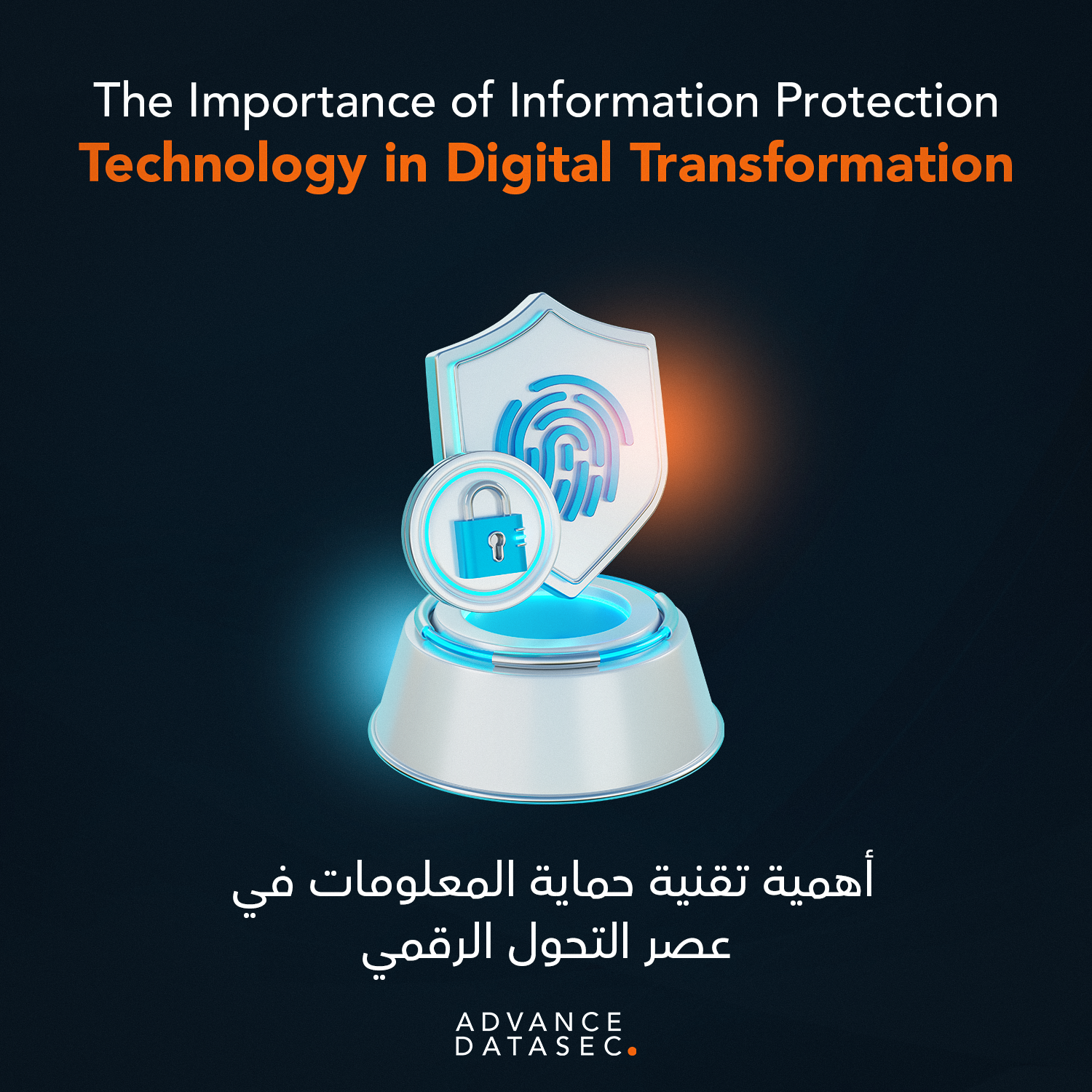
To navigate these threats, businesses must deploy a multi-layered suite of tools and protocols known as Information Protection Technology. This encompasses a range of solutions designed to safeguard data throughout its entire lifecycle—whether it is “at rest” in storage, “in motion” across a network, or “in use” during processing.
Key components include:
- Data Loss Prevention (DLP): Tools that monitor and block the unauthorized transmission of sensitive data.
- Encryption: Transforming readable data into a secure format that can only be accessed with a specific key.
- Identity and Access Management (IAM): Ensuring that only authorized personnel have access to specific data sets.
- Endpoint Security: Protecting the various devices (phones, laptops, IoT) that connect to the corporate network.
By integrating Information Protection Technology, organizations create a “security by design” culture, ensuring that every new digital initiative is born with a protective shield.
The Strategic Importance of Security in Transformation
1. Maintaining Regulatory Compliance
In Saudi Arabia, the regulatory environment is becoming increasingly rigorous. Organizations must adhere to the National Cybersecurity Authority (NCA) standards and the SAMA Cyber Security Framework. Information Protection Technology is not just a best practice; it is a legal requirement. Failure to comply can lead to massive fines and the loss of operating licenses.
2. Preserving Customer Trust
In the digital economy, trust is the ultimate currency. Customers are more aware than ever of their data rights. When an organization demonstrates that it utilizes advanced Information Protection Technology, it builds a competitive advantage. People are more likely to do business with a company that guarantees the safety of their personal information.
3. Enabling Secure Innovation
Innovation requires risk-taking, but those risks should be calculated. When a company has a robust framework of Information Protection Technology, it can experiment with new cloud services or remote work models without the fear of catastrophic exposure. Security acts as the “brakes” on a high-speed car—not to slow you down, but to allow you to drive fast with confidence.
Common Challenges During Digital Migration
Despite its importance, many organizations struggle to implement protection technologies effectively. Common hurdles include:
- Legacy System Compatibility: Older systems often lack the API capabilities to integrate with modern security tools.
- The Skills Gap: There is a global shortage of cybersecurity professionals who understand both business transformation and complex security architectures.
- Shadow IT: Employees using unauthorized apps (like personal cloud storage) to perform work tasks, bypassing corporate security.
To overcome these challenges, a partnership with a specialized cybersecurity firm is often the most cost-effective and secure route.
Best Practices for Implementing Protection Technology
To ensure your digital transformation remains secure, consider the following roadmap:
Step 1: Conduct a Comprehensive Audit
You cannot protect what you do not know you have. A thorough assessment of your data assets and current vulnerabilities is the first step. This includes network penetration testing and vulnerability assessments.
Step 2: Implement a Zero Trust Architecture
Move away from the idea that anyone inside the network is “safe.” A Zero Trust model requires continuous verification for every user and every device, significantly reducing the effectiveness of stolen credentials.
Step 3: Prioritize Employee Awareness
Even the most advanced Information Protection Technology can be bypassed by a single human error. Regular training on phishing, password hygiene, and social engineering is vital to turning your staff into a “human firewall.”
Step 4: Automate Threat Detection
Modern threats move at machine speed. Using AI-driven security tools allows for real-time monitoring and instant response to anomalies, far faster than any human team could manage.
The Future of Information Protection
As we look toward the future, the role of Information Protection Technology will only grow. With the rise of the Internet of Things (IoT) and 5G, the number of connected devices will explode. Each of these devices is a potential entry point for a hacker. Future-proofing your organization requires an agile security posture that can adapt to these emerging technologies.
Conclusion
Digital transformation offers a world of opportunity, but it is a journey that must be taken with extreme caution. The integration of digital tools without a corresponding investment in security is a recipe for disaster. By making Information Protection Technology a core pillar of your business strategy, you ensure that your organization is not only innovative and efficient but also resilient and trustworthy.
The goal is not just to transform, but to transform securely. In a world of evolving threats, your digital defense is your strongest asset.
Secure Your Transformation with Advance DataSec
Is your organization ready to face the challenges of the digital age? At Advance DataSec, we specialize in providing cutting-edge cybersecurity solutions tailored to the unique needs of the Saudi market. Whether you need an offensive security audit, defensive monitoring, or GRC (Governance, Risk, and Compliance) consulting to meet NCA and SAMA standards, we are here to help.
Don’t leave your digital future to chance. Contact Advance DataSec today to schedule a comprehensive consultation and let us build your digital fortress together.
Visit Advance DataSec | Contact us now to secure your assets.