





In an era where data is more valuable than gold, the digital landscape has become a primary battlefield for criminals. As businesses in Saudi Arabia and across the globe accelerate their digital transformation, the surface area for attacks expands exponentially. Understanding the different types of cybercrime is no longer just a task for the IT department; it is a fundamental requirement for business continuity, regulatory compliance, and brand protection.
Cybercrime is evolving. Gone are the days of simple viruses; today’s threats are sophisticated, automated, and often backed by organized syndicates. For stakeholders and decision-makers, recognizing these threats is the first step toward building a resilient defense.
Defining the Digital Threat Landscape
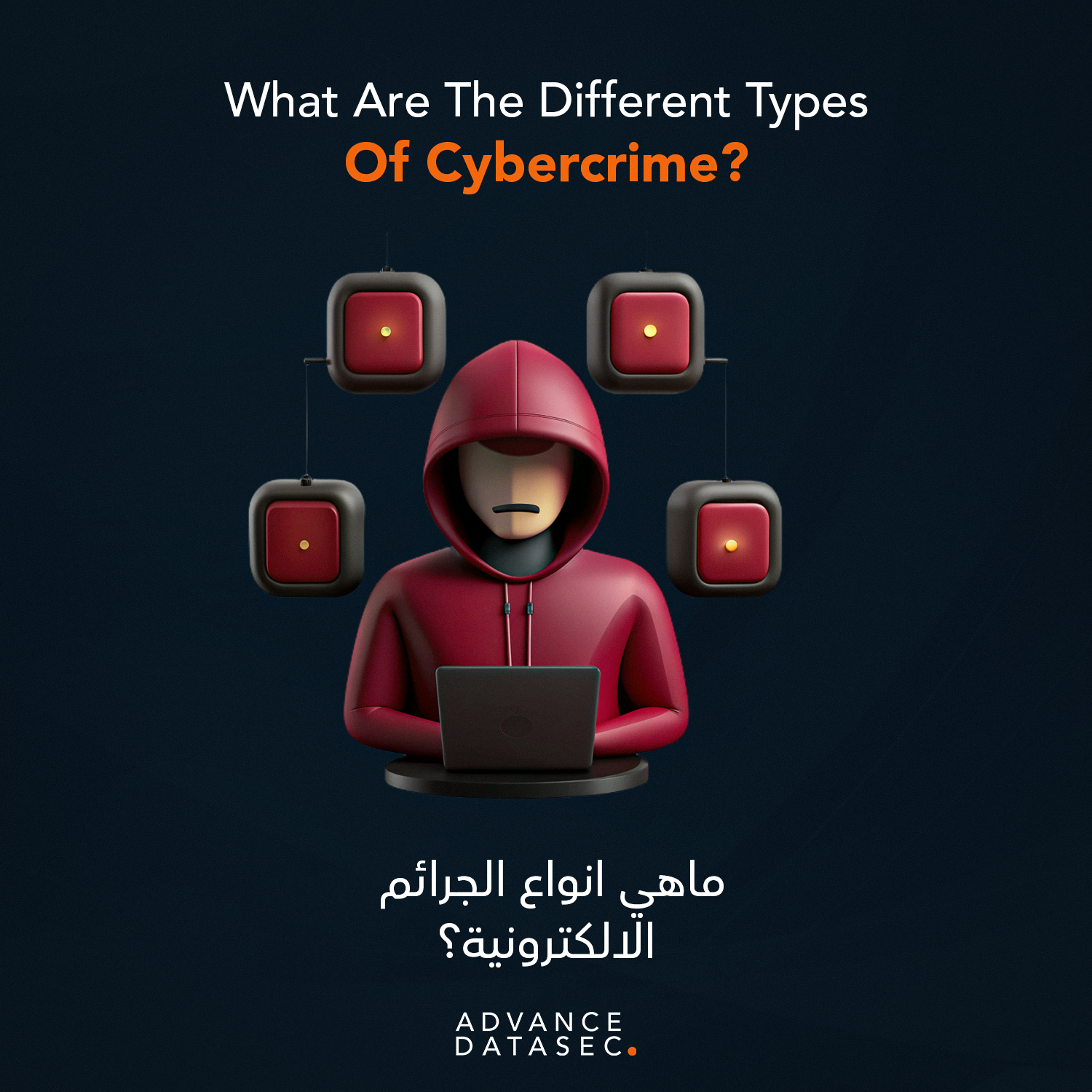
Cybercrime encompasses any illegal activity that involves a computer, networked device, or a network. While some crimes target computers directly to damage or disable them, others use computers to spread malware, illegal information, or other digital or physical harms.
To effectively protect your organization, you must be able to categorize and identify the different types of cybercrime that could specifically target your industry, whether you are in finance, healthcare, or retail.
1. Malware Attacks: The Foundation of Digital Disruption
Malware, or “malicious software,” is a broad term for various software variants designed to damage or gain unauthorized access to a computer system. It remains one of the most prevalent different types of cybercrime affecting businesses today.
- Ransomware: This is perhaps the most feared threat. It involves encrypting a company’s data and demanding a ransom payment for the decryption key.
- Spyware: Software that secretly monitors user activity and gathers sensitive information, such as login credentials or financial data.
- Trojans: Disguised as legitimate software, Trojans create “backdoors” for hackers to enter your network unnoticed.
2. Social Engineering: Exploiting the Human Element
Technology is often easier to bypass than human psychology. Social engineering involves manipulating individuals into divulging confidential information.
- Phishing: The most common form involves sending fraudulent emails that appear to come from a reputable source (like a bank or a government entity) to steal data.
- Spear Phishing: A highly targeted version of phishing where attackers research their victim to make the communication seem incredibly personal and authentic.
- Whaling: A specific type of phishing aimed at high-level executives (C-suite), where the stakes—and the potential payouts—are much higher.
Understanding these different types of cybercrime helps organizations realize that their security is only as strong as their least-informed employee.
3. Injection Attacks: Targeting the Code
For businesses with web applications and e-commerce platforms, injection attacks are a critical concern. These attacks exploit vulnerabilities in the way an application handles user input.
- SQL Injection (SQLi): An attacker inserts malicious SQL code into a query, allowing them to view, modify, or delete data from the database.
- Cross-Site Scripting (XSS): This involves injecting malicious scripts into benign and trusted websites, which are then executed in the user’s browser.
4. Distributed Denial of Service (DDoS)
A DDoS attack aims to crash a server or network by flooding it with an overwhelming volume of traffic. This doesn’t usually result in data theft but causes massive operational downtime and financial loss. For companies in the KSA market, where digital availability is key to customer trust, a DDoS attack can be devastating to a brand’s reputation.
5. Insider Threats: The Danger Within
Not all cybercrime originates from the outside. Insider threats occur when someone with authorized access—such as an employee, former employee, or contractor—misuses that access to harm the organization. Whether intentional (malicious) or unintentional (negligence), this is one of the most difficult different types of cybercrime to detect without specialized monitoring tools.
The Regulatory Environment in Saudi Arabia
In the Kingdom of Saudi Arabia, the National Cybersecurity Authority (NCA) has established rigorous frameworks like the Essential Cybersecurity Controls (ECC). These regulations are designed to help organizations defend against the different types of cybercrime mentioned above. Compliance isn’t just about avoiding fines; it’s about aligning with national safety standards to ensure the Kingdom’s digital economy remains secure and prosperous.
How to Build a Multi-Layered Defense
Knowing the threats is half the battle. The other half is implementing a strategy that addresses every layer of your digital infrastructure.
- Offensive Security: Use penetration testing to simulate real-world attacks. By thinking like a hacker, you can identify and patch vulnerabilities before they are exploited.
- Defensive Monitoring: Implement 24/7 endpoint detection and response (EDR). Rapid detection can mean the difference between a minor incident and a total system breach.
- Governance, Risk, and Compliance (GRC): Ensure your policies are up to date and that you are meeting the specific legal requirements of the Saudi market.
- Security Awareness Training: Turn your employees from a liability into a defensive asset through regular, simulated phishing campaigns and workshops.
Conclusion: Staying Ahead of the Curve
The digital world moves fast, and cybercriminals move even faster. As we have explored, the different types of cybercrime range from technical code injections to psychological manipulation. For any business aiming for longevity and growth, “good enough” security is no longer an option.
Proactive protection is the only way to safeguard your assets, your customers’ data, and your company’s future.
Is Your Business Truly Secure Against Modern Threats? Don’t wait for a breach to discover the gaps in your defense. At Advance Datasec, we specialize in providing top-tier cybersecurity services tailored to the unique needs of the Saudi Arabian market. From advanced penetration testing to comprehensive GRC consultation and defensive security monitoring, we ensure your digital assets are protected around the clock.

Secure your digital future today. Contact Advance Datasec for a free consultation and let our experts build a fortress around your business.