




In today’s interconnected digital economy, a cyberattack is no longer a matter of “if,” but “when.” For businesses operating in high-stakes environments—particularly across the Middle East and Saudi Arabia—the resilience of digital infrastructure is paramount. While preventive measures like firewalls and encryption are vital, the true measure of an organization’s cybersecurity maturity is how it reacts when those defenses are breached.
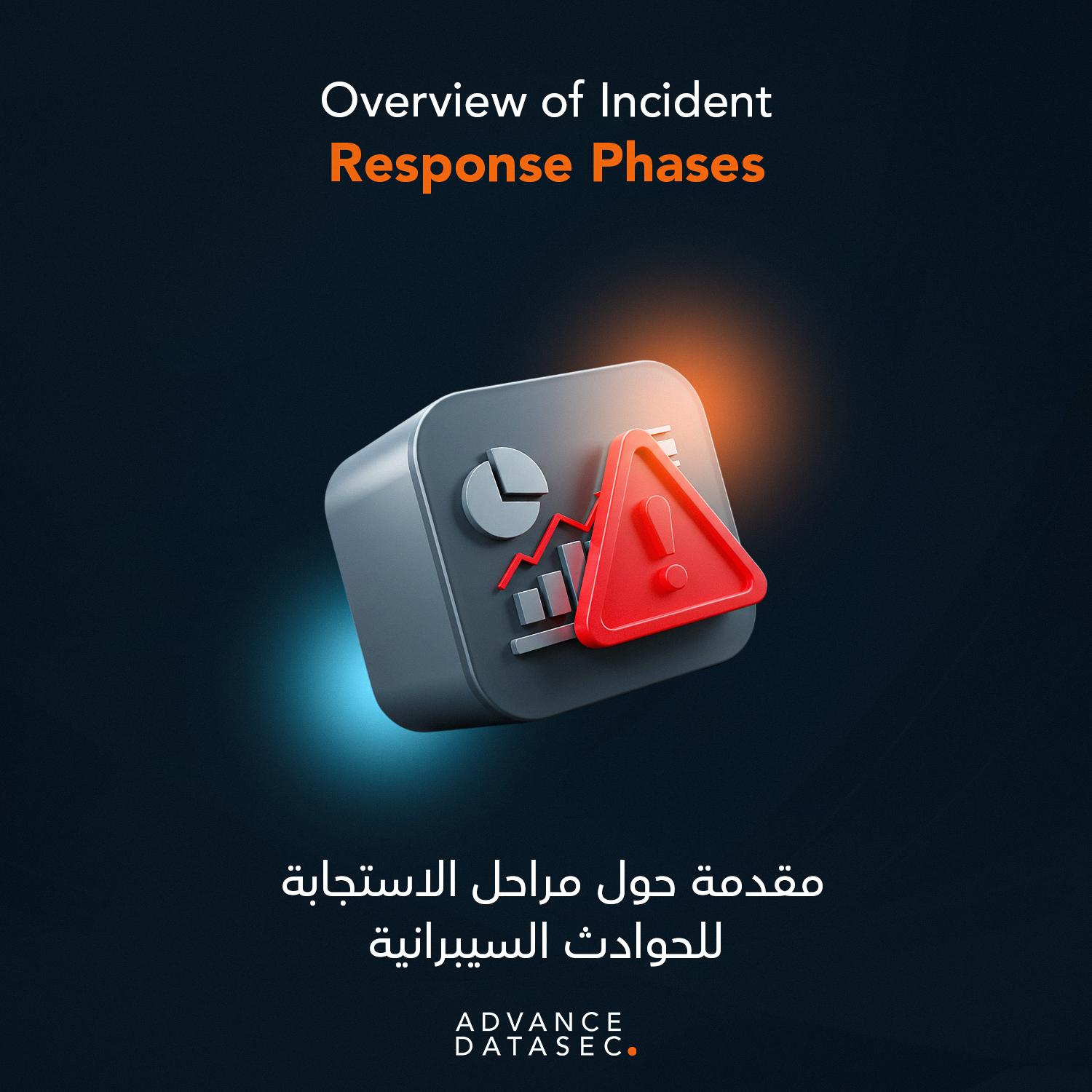
This is where Incident Response (IR) comes into play. Incident response is a structured methodology used by organizations to handle and manage the aftermath of a security breach or cyberattack. The goal is to limit damage and reduce recovery time and costs. To achieve this, security professionals follow specific incident response phases to ensure no detail is overlooked during the heat of a crisis.
In this guide, we will break down the essential stages of a professional IR plan, helping you transform chaos into a coordinated defense.
What is Incident Response?
Before diving into the stages, it is crucial to understand that Incident Response is more than just “fixing a hack.” It is a multidisciplinary approach involving technology, people, and processes. A well-executed IR plan ensures that an organization can:
- Detect incidents early to prevent widespread data loss.
- Respond systematically to minimize operational downtime.
- Recover securely so that the same vulnerability cannot be exploited twice.
The 6 Essential Incident Response Phases
Most industry leaders, including SANS and NIST, categorize the IR process into six distinct stages. Following these incident response phases allows a team to maintain focus and control during a high-pressure security event.
1. Preparation: The Foundation of Defense
Preparation is arguably the most critical of all incident response phases. You cannot effectively respond to a threat if you don’t have the tools and protocols ready beforehand.
- Policy Development: Establish clear guidelines on what constitutes an incident and who is responsible for responding.
- Team Training: Ensure your Incident Response Team (IRT) is trained in digital forensics, communication, and system restoration.
- Tool Acquisition: Deploy the necessary software for monitoring, such as SIEM (Security Information and Event Management) and EDR (Endpoint Detection and Response).
- Backups: Maintain secure, off-site, and encrypted backups of critical data.
2. Identification: Detecting the Threat
The second stage involves determining whether you are actually dealing with a security incident or a routine technical glitch.
Security analysts monitor logs, error messages, and unusual network traffic to identify “Indicators of Compromise” (IoCs). Once a threat is confirmed, the team must document the scope: What systems are affected? What data was accessed? Who is the likely threat actor?
3. Containment: Stopping the Bleeding
Once an incident is identified, the immediate priority is to stop it from spreading. This is one of the most tactical incident response phases, often divided into two parts:
- Short-term Containment: Taking immediate action, such as isolating a compromised server from the network or disabling a compromised user account.
- Long-term Containment: Applying temporary fixes to allow systems to continue functioning while a deeper clean is performed (e.g., changing firewall rules).
4. Eradication: Removing the Root Cause
After the threat is contained, the team must find and eliminate the cause of the breach. This isn’t just about deleting malware; it involves:
- Identifying all affected hosts.
- Closing the vulnerabilities that allowed the attack (e.g., patching a software bug).
- Removing “backdoors” that hackers may have left behind to regain access later.
5. Recovery: Returning to Normal Operations
In the recovery phase, systems are carefully restored and brought back into the production environment. This must be done cautiously to ensure that the environment is truly clean.
- Validation: Testing and monitoring restored systems to ensure they are functioning normally.
- Restoration: Deploying data from clean backups.
- Enhanced Monitoring: Keeping a close watch on the affected systems for a set period to ensure the threat actor doesn’t return.
6. Lessons Learned: The Feedback Loop
The final of the incident response phases is often the most neglected, yet it provides the most value for future security. Within weeks of the incident, the team should meet to discuss:
- What exactly happened and at what time?
- How well did the team follow the IR plan?
- What steps can be taken to prevent a repeat of this specific incident?
- How can the IR plan be improved for the next time?
Why a Structured Approach Matters
Without following established incident response phases, organizations often fall into “firefighting mode.” This leads to several dangerous outcomes:
- Evidence Destruction: Panic-deleting files can destroy forensic evidence needed to understand the breach or fulfill legal requirements.
- Incomplete Eradication: Without a thorough eradication phase, attackers often remain dormant in the network, only to strike again weeks later.
- Reputational Damage: Poor communication during an incident can lead to a loss of customer trust and potential legal penalties under data protection laws like those in Saudi Arabia.
Integrating GRC with Incident Response
For businesses in the Middle East, incident response isn’t just a technical best practice—it’s a regulatory requirement. Frameworks such as the NCA (National Cybersecurity Authority) essential cybersecurity controls and SAMA (Saudi Central Bank) guidelines mandate that organizations have documented IR procedures.
A structured response ensures that when you report an incident to authorities, you have a clear, forensic-backed timeline of events, proving that your organization acted with due diligence.
Conclusion
Cybersecurity is an ongoing battle, and your incident response plan is your most important shield. By mastering the incident response phases—Preparation, Identification, Containment, Eradication, Recovery, and Lessons Learned—you ensure that your business can survive even the most sophisticated attacks.
In an era of rapid digital transformation, being prepared is the only way to safeguard your future.
Don’t wait for a crisis to find out if your defenses work.
At Advance Datasec, we specialize in providing world-class Incident Response services tailored to the regional threat landscape. Whether you need to build a robust IR framework from scratch, require expert digital forensics, or need 24/7 monitoring to identify threats before they escalate, our team of experts is ready to protect your digital assets.

Secure your business continuity today. Contact Advance Datasec for a comprehensive security consultation.