





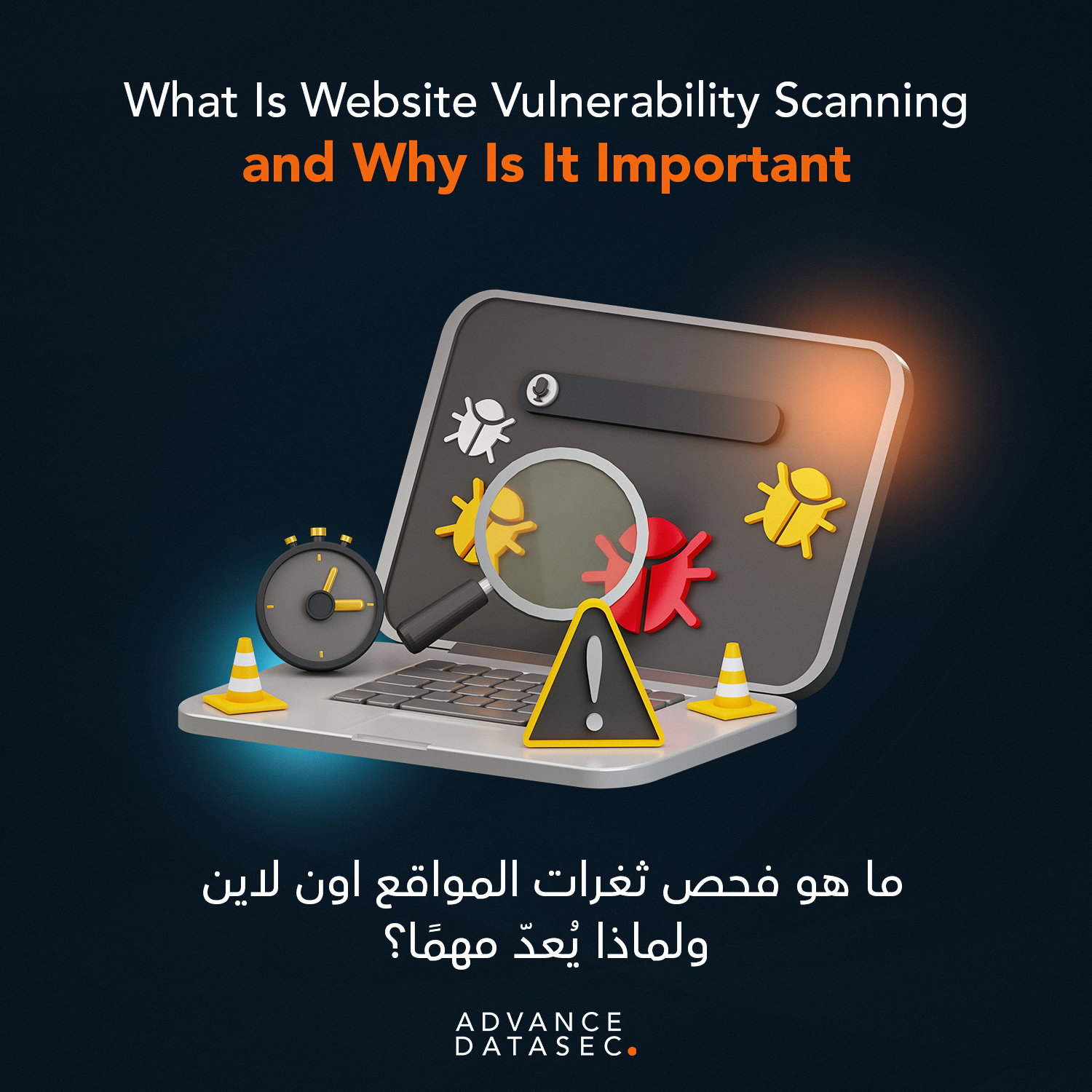
What Is Website Vulnerability Scanning and Why Is It Important?
In the current digital landscape, your website is often the primary gateway to your business. It is where customers interact with your brand, where transactions are processed, and where sensitive data is stored. However, this accessibility also makes it a prime target for cybercriminals. As businesses in Saudi Arabia and globally move toward total digital integration, the risks associated with unpatched security flaws have never been higher.
One of the most effective ways to stay ahead of these threats is through website vulnerability scanning. But what exactly does this process entail, and why has it become a non-negotiable part of modern business operations? In this comprehensive guide, we explore the mechanics of vulnerability scanning and why it is the cornerstone of a robust cybersecurity strategy.
Understanding Website Vulnerability Scanning
At its core, website vulnerability scanning is an automated process that inspects your web applications, operating systems, and network software to identify security weaknesses. Think of it as a digital “health check” or a home security inspection where a professional checks every window and door to ensure the locks are functional.
These scans search for known vulnerabilities, such as:
- SQL Injections: Where attackers insert malicious code into entry fields to manipulate your database.
- Cross-Site Scripting (XSS): Where malicious scripts are injected into trusted websites.
- Outdated Software: Identifying plugins or frameworks that are no longer supported and have known exploits.
- Misconfigurations: Finding server settings that unintentionally leave data exposed to the public.
By utilizing website vulnerability scanning, organizations can gain a clear map of their digital weaknesses before a hacker discovers them.
Why Is Vulnerability Scanning Important?
The digital world is not static. New threats emerge every day, and a website that was secure yesterday might be vulnerable today due to a newly discovered exploit (often called a “Zero-Day”). Here is why consistent scanning is vital:
1. Proactive Threat Detection
The cost of reacting to a cyberattack is significantly higher than the cost of preventing one. Vulnerability scanning allows you to be proactive. Instead of waiting for a breach to happen and then dealing with the fallout—which includes data loss, financial theft, and legal issues—you identify the “hole in the fence” and patch it immediately.
2. Maintaining Regulatory Compliance
For businesses operating in Saudi Arabia, compliance with the National Cybersecurity Authority (NCA) and Saudi Central Bank (SAMA) frameworks is mandatory. Many of these regulations, such as the Essential Cybersecurity Controls (ECC), specifically require regular security assessments. Automated website vulnerability scanning helps you maintain a continuous state of compliance, avoiding heavy fines and legal complications.
3. Protecting Your Reputation and Customer Trust
Trust is the most difficult asset to recover once lost. If a customer’s personal or financial information is compromised due to a preventable vulnerability on your site, they are unlikely to return. Regular scanning ensures that you are doing your due diligence to protect the people who keep your business running.
4. Cost-Efficiency in the Long Run
Many business owners view cybersecurity as an expense. However, when you consider that the global average cost of a data breach is millions of dollars, the ROI of a scanning tool is undeniable. Website vulnerability scanning reduces the likelihood of expensive emergency incident responses and system rebuilds.
How Does the Process Work?
A typical vulnerability scan follows a structured path to ensure comprehensive coverage:
- Scope Definition: Determining which parts of the website or network will be scanned.
- Information Gathering: The scanner “crawls” the site to understand its structure, pages, and entry points.
- Vulnerability Detection: The tool compares the findings against a massive database of known security flaws.
- Reporting: The scan generates a detailed report categorizing vulnerabilities by severity (Critical, High, Medium, Low).
- Remediation: The most critical step where your security team (or a specialized partner) applies patches or configuration changes to fix the identified issues.
Automation vs. Manual Testing
While automated website vulnerability scanning is excellent for finding known “low-hanging fruit” and maintaining daily hygiene, it is most effective when paired with manual Penetration Testing.
Automated tools are fast and scalable, but manual testing by human experts can uncover complex logic flaws that a machine might miss. A hybrid approach—using automated scans for continuous monitoring and manual testing for deep dives—provides the highest level of security.
Implementing a Security-First Culture
Security is not a one-time project; it is a continuous cycle. As your website grows, as you add new features, or as you integrate third-party APIs, your vulnerability profile changes.
- Schedule Regular Scans: Don’t wait for a major update. Set up weekly or monthly automated scans.
- Prioritize Fixes: Address “Critical” and “High” vulnerabilities immediately.
- Audit Your Third-Party Plugins: Many breaches occur through outdated third-party extensions.
Conclusion: Securing Your Digital Frontier
In the modern Saudi business environment, a secure website is a competitive advantage. It signals to your partners, clients, and regulators that you take data integrity seriously. By making website vulnerability scanning a core part of your operational routine, you effectively close the gap between your assets and the criminals who wish to exploit them.
The question is no longer whether you can afford to implement these security measures, but whether you can afford the consequences of ignoring them.
Are You Certain Your Website Is Secure? Digital threats never sleep, and neither should your defenses. At Advance Datasec, we provide world-class vulnerability assessment and management services tailored specifically for the unique regulatory landscape of Saudi Arabia. Our team of experts goes beyond simple automation, providing deep insights and actionable remediation plans to keep your business running smoothly.
Protect your assets and ensure business continuity today. Contact Advance Datasec for a comprehensive security consultation and let us help you build a safer digital future.