

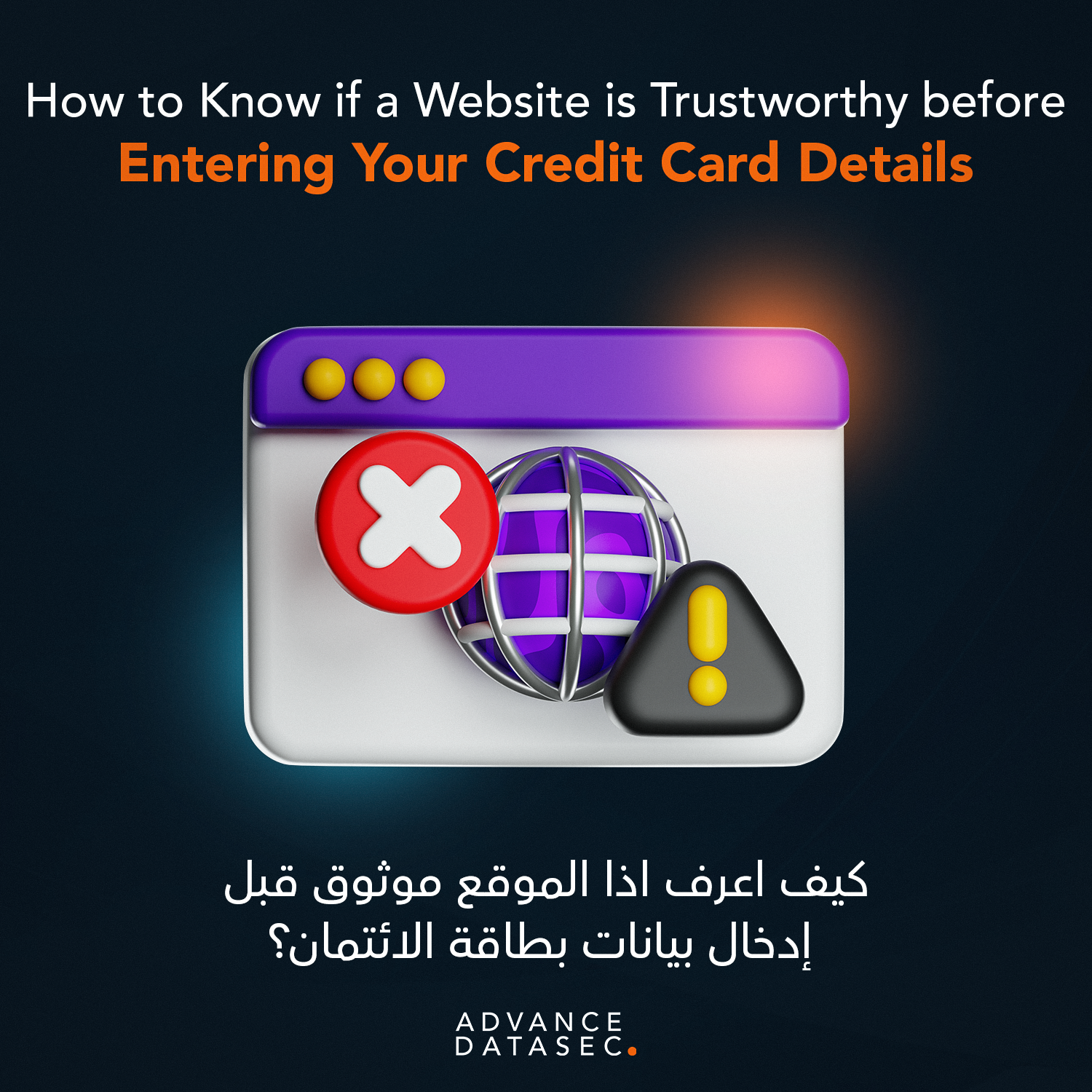
In the digital age, convenience is king. With a few clicks, we can order groceries, book international travel, or subscribe to global streaming services. However, this ease of transaction comes with a lurking shadow: cybercrime. As e-commerce grows, so does the sophistication of fraudulent websites designed to harvest financial information. Learning how to know if a website is trustworthy is no longer just a recommendation; it is a vital survival skill for the modern consumer and business professional alike.
At Advance Datasec, we prioritize the integrity of digital transactions. As a leading cybersecurity firm in Saudi Arabia, we understand that technical defenses are only half the battle—the other half is user awareness. In this guide, we will provide a comprehensive roadmap on identifying secure digital storefronts to ensure your credit card details remain in the right hands.
The High Stakes of Online Financial Security
When you enter your credit card details into a malicious site, you aren’t just losing the cost of your purchase. You are potentially handing over your full name, billing address, and credit limit to organized cybercriminal groups. These details can be sold on the dark web, leading to identity theft and long-term financial distress. Understanding how to know if a website is trustworthy acts as your first line of defense against these invisible threats.
6 Critical Indicators of a Trustworthy Website
Before you click “Checkout,” perform this quick but rigorous audit of the website.
1. Check for the SSL/TLS Certificate (The Padlock Icon)
The most basic check is the presence of “HTTPS” in the URL, as opposed to “HTTP.” The “S” stands for secure.
- The Padlock: Look for the padlock icon in the browser address bar. This indicates that the data sent between your browser and the server is encrypted.
- A Word of Caution: While necessary, an SSL certificate alone isn’t proof of legitimacy. Many scammers now use free SSL certificates to appear safe. Therefore, this should be the beginning, not the end, of your investigation.
2. Verify the Domain Name Carefully
Cybercriminals often use a tactic called “typosquatting.” They register domains that are nearly identical to famous brands (e.g., amaz0n.com or paypa1.com).
- How to spot it: Look for extra dashes, substituted numbers for letters, or unusual domain extensions (like .biz or .xyz for a site that should be .com). If the domain looks “off,” it probably is. This is a primary step in how to know if a website is trustworthy.
3. Look for Physical Contact Information
Legitimate businesses want to be found. A trustworthy website should have:
- A physical office address.
- A working phone number.
- A professional email address (not a generic @gmail or @outlook address for a major corporation).
- Pro Tip: Try searching the address on Google Maps to see if it actually exists as a business location.
4. Evaluate the Design and Content Quality
Professional companies invest in their digital presence. While some scammers create high-quality replicas, many fall short in the details.
- Red Flags: Poor grammar, low-resolution images, broken links, and a “cluttered” layout. If the site looks like it was put together in thirty minutes, treat it with extreme suspicion.
5. Research the Site’s Reputation
The internet is excellent at self-policing. Before buying from an unknown vendor, leverage the experience of others.
- Review Platforms: Check Trustpilot, Sitejabber, or even the Better Business Bureau.
- Search Query: Type “[Website Name] + scam” into Google. If there are dozens of complaints about stolen data or undelivered goods, you have your answer on how to know if a website is trustworthy.
6. Analyze the Payment Methods
Legitimate e-commerce sites offer secure, traceable payment options.
- Safe Options: Credit cards (which offer fraud protection) and services like PayPal or Apple Pay.
- Warning Signs: If a site insists on wire transfers, cryptocurrency, or direct bank deposits, walk away. These methods are virtually impossible to reverse once the money is sent.
Advanced Protection: Beyond the Basics
Sometimes, even the most vigilant user can be fooled by a high-end “spoof” site. This is why multi-layered security is essential.
Use Virtual Credit Cards
Many banks now offer “virtual” cards through their apps. These generate a one-time-use card number for a specific transaction. Even if the website is a scam, the card number becomes useless immediately after the first charge.
Enable Multi-Factor Authentication (MFA)
Ensure that your bank requires a code sent to your phone or email before authorizing a transaction. This prevents unauthorized use of your details even if they are stolen.
Periodic Security Audits
For businesses, the risk is amplified. Ensuring your employees know how to know if a website is trustworthy is part of corporate “Defensive Security.” At Advance Datasec, we provide training and simulated phishing campaigns to help teams recognize these traps before they compromise company accounts.
How Advance Datasec Safeguards the Digital Marketplace
At Advance Datasec, we don’t just advise individuals; we empower businesses to be the “trustworthy” entities that customers can rely on. If you are an e-commerce business in Saudi Arabia, your customers are asking themselves: “Is this site safe?”
We help you answer that with a resounding “Yes” through:
- Vulnerability Assessments: Identifying holes in your payment gateway.
- Web Application Penetration Testing: Simulating attacks to ensure your customer data is unhackable.
- Compliance Services (GRC): Helping you meet SAMA and NCA standards, which serves as a badge of honor for customer trust.
Conclusion
The digital economy thrives on trust. However, that trust must be earned through verification. By checking for encryption, verifying domains, researching reputations, and scrutinizing payment methods, you master the art of how to know if a website is trustworthy. Never let the excitement of a “good deal” bypass your security intuition.
In an increasingly complex threat environment, professional intervention is often the best defense. Advance Datasec is dedicated to creating a secure digital environment for the Kingdom of Saudi Arabia. Whether you are a business looking to secure your web assets or an organization seeking to train your staff in cyber-vigilance, we are your local experts with global standards.
Is your business’s digital presence secure enough to earn your customers’ trust? Don’t leave your reputation—or your data—to chance.
Contact Advance Datasec today to schedule a comprehensive security audit or to learn more about our defensive security solutions. Let us help you build a safer, more trustworthy digital future.
For more articles:
FAQ
How can I tell if a website is secure?
Check for HTTPS and the padlock icon in the address bar. These indicate encrypted communication.
Does the padlock icon mean the site is safe?
No. It only shows encryption—not the website’s credibility. Always verify other trust signals.
What are common red flags on a website?
Poor grammar, low-quality images, and broken links may indicate a scam or unprofessional site.
Why is the “About Us” page important?
It shows transparency. Vague or generic content can signal a suspicious website.
What contact details should a trusted site have?
A real address, professional email, phone number, and active social media links.
How can I check a website’s reputation?
Use tools like Trustpilot, Google Reviews, and Google Safe Browsing.
What makes a payment method secure?
Look for security badges and trusted options like PayPal or Apple Pay.