

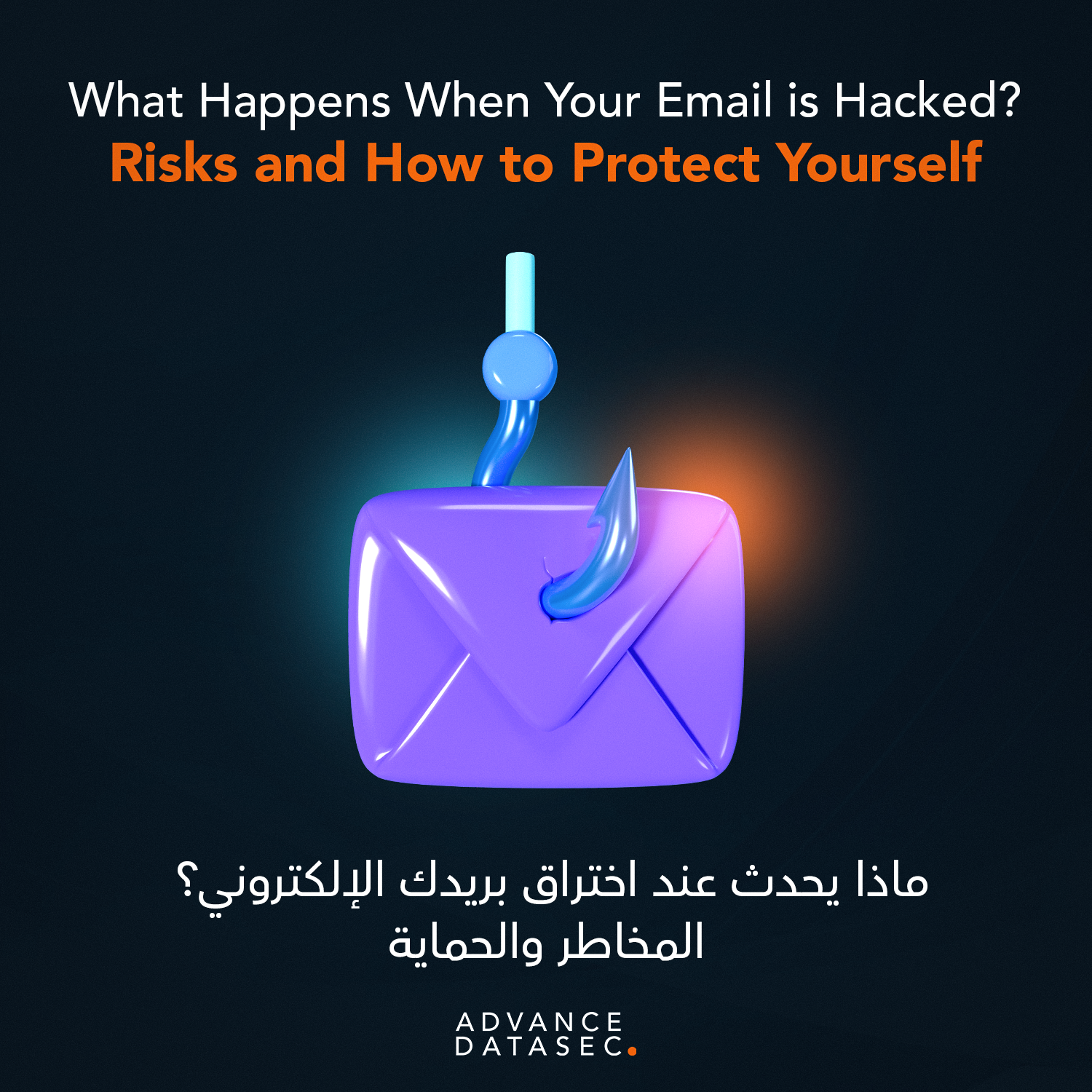
In the modern digital era, your email address is far more than a simple tool for sending messages. It acts as the “master key” to your entire online identity. From your bank accounts and social media profiles to your professional communications and sensitive documents, almost everything is linked to your inbox.
Because of this central role, email accounts have become the primary target for cybercriminals. But what happens when your email is hacked? The consequences can range from a minor annoyance to a full-scale financial and reputational disaster.
At Advance DataSec, we specialize in identifying these vulnerabilities before they can be exploited. In this guide, we will explore the immediate risks of a hacked email, how to spot the warning signs, and the professional steps you need to take to secure your digital life.
The Immediate Risks: What Happens When Your Email is Hacked?
When an unauthorized user gains access to your inbox, they aren’t just looking for your personal conversations. They are looking for leverage. Here is a closer look at what happens when your email is hacked:
Identity Theft and Personal Fraud
Once inside, a hacker can search your history for tax documents, scan copies of your ID, or bank statements. This information is a goldmine for identity theft. They can open new credit lines, apply for loans, or even file fraudulent tax returns in your name.
Business Email Compromise (BEC)
For business owners and employees, the risk is exponential. Attackers often use a compromised account to monitor ongoing transactions. They might wait for an invoice to be sent, then intercept the thread using your actual email address to ask the client to send the payment to a “new” (fraudulent) bank account. Because the email comes from your verified address, the victim has no reason to suspect foul play.
The “Dominos Effect” on Other Accounts
Most online services use your email for password resets. If a hacker controls your email, they can go to your banking portal, click “Forgot Password,” and receive the reset link directly. Within minutes, you could be locked out of every important account you own.
Reputation Damage and Spam Distribution
Your email account can be turned into a “zombie” bot that sends phishing links to your entire contact list. When your friends, family, and business partners receive a malicious link from you, they are highly likely to click it, spreading the infection and damaging your professional credibility.
Hidden Backdoors
One of the most dangerous things that occurs regarding what happens when your email is hacked is the creation of “forwarding rules.” Hackers often set your account to automatically forward copies of every incoming email to their own address. Even if you change your password, they can still sit in the shadows and monitor your private data.
Warning Signs: How to Know if You’ve Been Compromised
You don’t always get a notification that someone has logged in. You must be proactive in spotting these red flags:
- Unauthorized “Sent” Messages: You see emails in your sent folder that you definitely didn’t write.
- Password Reset Requests: You receive emails about password changes for services like Amazon, LinkedIn, or your bank that you didn’t initiate.
- Unusual Account Activity Alerts: Most providers (like Google or Microsoft) will send a notification if a login occurs from a new device or an unusual geographic location.
- Friends Receiving Spam: You start getting calls or texts from people asking why you sent them a strange link or a request for money.
- Changed Settings: Your signature has changed, or there are new “Rules” or “Filters” in your settings that you didn’t create.
How to Protect Yourself: A Professional Defense Strategy
Understanding the gravity of what happens when your email is hacked highlights why basic security isn’t enough. You need a multi-layered defense strategy.
Use a Robust Password Policy
Stop using birthdays, pet names, or easily guessable phrases. Use a “Passphrase”—a long string of random words (e.g., Blue!Mountain?Coffee99). Better yet, use a dedicated password manager to generate and store unique, complex passwords for every single account.
Enable Multi-Factor Authentication (MFA)
MFA is the single most effective way to block unauthorized access. Even if a hacker manages to steal your password through a data breach, they cannot get past the secondary check on your phone or authenticator app. At Advance DataSec, we consider MFA a non-negotiable standard for any business environment.
Regular Security Audits
Periodically check your account settings. Look for “Connected Apps” that have permission to read your mail and revoke any that you no longer use. Check your “Recent Activity” log to ensure no one is logging in from a foreign country.
Beware of Phishing
Always verify the sender’s actual email address before clicking a link or downloading an attachment. Scammers are experts at creating “spoofed” emails that look like they come from Microsoft, DHL, or your own IT department.
Immediate Steps if You Suspect a Hack
If you believe you are currently a victim, every second counts. To mitigate the damage of what happens when your email is hacked, follow this protocol:
- Run a Malware Scan: Before changing your password, ensure your device doesn’t have a keylogger or spyware installed.
- Change Your Password Immediately: Do this from a clean device.
- Check Mailbox Rules: Ensure no “Auto-forwarding” rules have been set up by the attacker.
- Notify Your Bank and Contacts: Inform your financial institutions and warn your contacts not to open any recent emails from you.
- Revoke Third-Party Access: Disconnect your email from any apps or websites it was used to sign into.
Conclusion: Don’t Leave Your Security to Chance
The digital landscape is shifting, and the methods used by cybercriminals are becoming more sophisticated every day. As we have seen, the reality of what happens when your email is hacked is a complex web of financial risk, data loss, and identity theft. For businesses, this threat can be the difference between growth and bankruptcy.
At Advance DataSec, we believe that true security is proactive, not reactive. We offer specialized services in Offensive Security (Penetration Testing) to find your weaknesses before a hacker does, and Defensive Security to monitor and respond to threats in real-time. Whether you are looking to comply with Saudi Arabia’s NCA ECC or SAMA CSF requirements, or simply want to protect your personal and professional data, our team of certified experts is here to help.
Take control of your digital security before a breach occurs. Contact Advance DataSec today for a comprehensive security audit and professional consultation to ensure your “master key” stays in the right hands.
For more articles: