




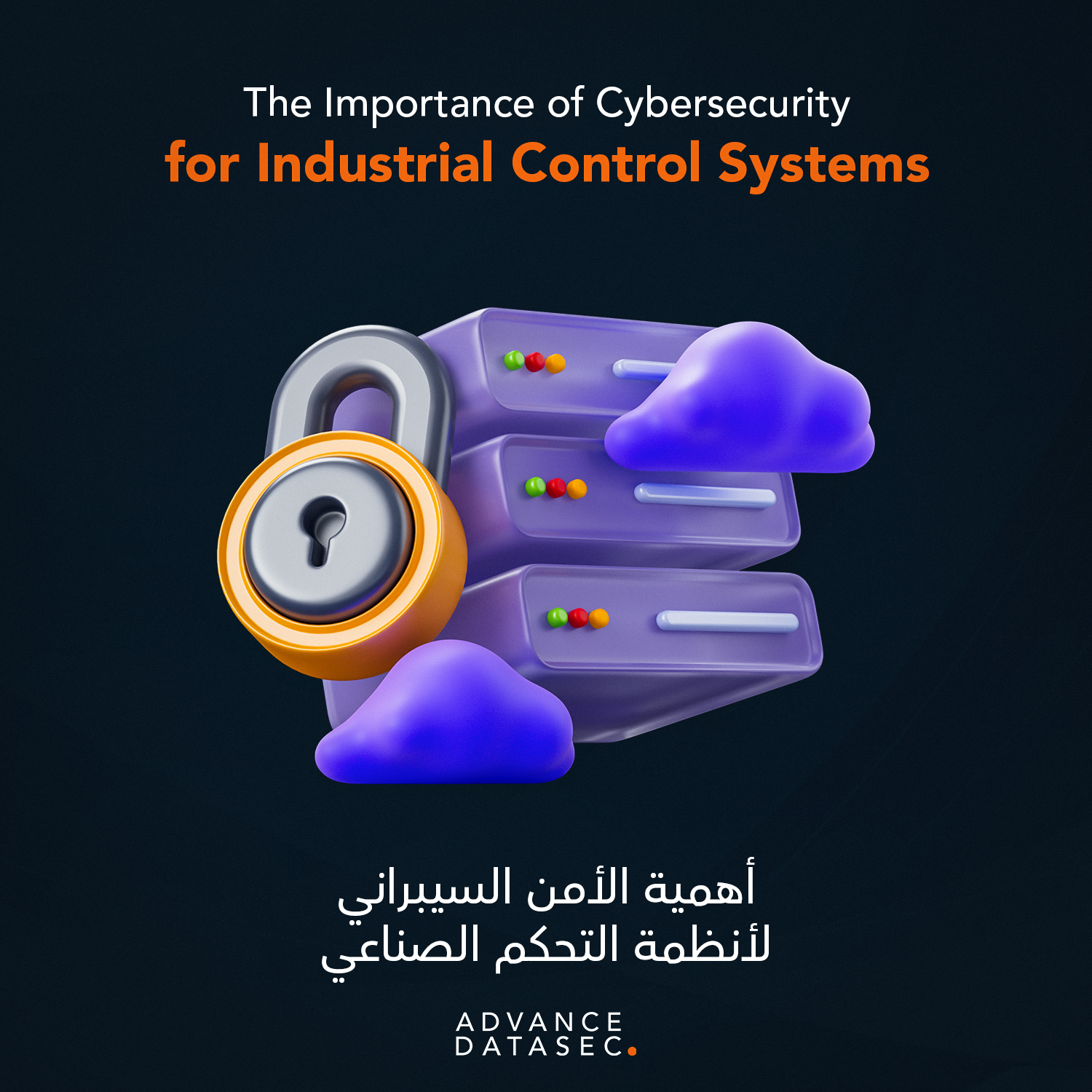
In the modern world, the foundation of civilization—from power generation and water treatment to manufacturing and oil & gas—rests upon a complex web of interconnected technologies known as Industrial Control Systems (ICS) and Operational Technology (OT). These systems, which include SCADA, Distributed Control Systems (DCS), and Programmable Logic Controllers (PLCs), are the digital brains that monitor and command physical processes. Historically isolated, these environments are now converging with traditional IT networks, opening them up to unprecedented cyber risks. Understanding and implementing robust cybersecurity for industrial control systems is no longer a technical preference; it is a critical mandate for global safety, economic stability, and national security.
The Unique Vulnerability of Industrial Control Systems
While a breach in an IT network might result in financial fraud or data loss, a successful cyberattack on an OT environment can have catastrophic, real-world consequences. Unlike IT systems where the primary goal is confidentiality, in OT, the priorities are inverted: availability and integrity are paramount. A delay of milliseconds can disrupt production, while manipulated process data can lead to physical equipment failure, environmental damage, or loss of human life.
Operational vs. Financial Consequences
The consequences of a security failure in an OT setting are multifaceted and severe:
- Physical Damage: Attacks like Stuxnet or those targeting power grids demonstrate the ability of malware to cause machinery to malfunction, leading to explosions, mechanical destruction, or widespread power outages.
- Health and Safety Risks: Tampering with systems in sectors like water treatment or pharmaceuticals can directly endanger public health.
- Operational Downtime: Modern industrial processes rely on precision. A cyber incident can halt a production line, leading to massive financial losses due to lost revenue, remediation costs, and regulatory fines.
- National Security Threats: Critical infrastructure facilities are often primary targets for state-sponsored actors aiming to destabilize rival nations.
The Evolving Threat Landscape in OT
The threat actors targeting ICS environments are no longer just opportunistic hackers. The landscape now includes sophisticated nation-state groups, well-funded cybercriminal organizations deploying OT-specific ransomware, and even disgruntled insiders.
The convergence of IT and OT networks—often necessitated by demands for efficiency, remote monitoring, and cloud-based analytics—has eliminated the traditional “air gap” security model. This connection provides attackers with a pathway from the less-secure, internet-facing IT environment into the highly sensitive production zone. Once inside, they exploit several factors unique to OT systems:
- Legacy Systems: Many ICS components have decades-long lifecycles, meaning they often run on outdated operating systems (like Windows XP) that lack modern security controls and cannot be patched without extensive validation or risking operational stability.
- Proprietary Protocols: ICS uses specialized communication protocols (e.g., Modbus, DNP3) that standard IT security tools do not understand or monitor effectively, creating blind spots for defenders.
- Lack of Authentication: Historically, many OT protocols assumed trust, meaning they lack built-in authentication mechanisms, making it easy for an attacker who has gained network access to issue control commands.
Distinct Challenges in Implementing Cybersecurity for Industrial Control Systems
The reality of the OT environment presents unique technical and cultural challenges that complicate the adoption of standard IT security practices:
- Prioritizing Uptime Over Security: Unlike IT, where systems can be rebooted or patched during off-hours, many industrial processes run 24/7/365. Any security measure that risks interrupting production is often rejected by operational teams.
- Lack of Vendor Support: Security patches are often not provided by OT equipment vendors, or applying them voids warranties and requires complex re-certification.
- Physical Environment Constraints: Industrial equipment operates in harsh environments (extreme temperatures, vibration), which limits the ability to install standard IT hardware or security appliances.
- Skills Gap: There is a significant shortage of security professionals who possess the deep domain knowledge required to bridge the gap between IT security expertise and OT operational understanding. Effective cybersecurity for industrial control systems demands a blend of both.
The Pillars of Robust Cybersecurity for Industrial Control Systems
Building a resilient OT security posture requires a multi-layered, risk-based approach tailored to the unique characteristics of the industrial environment. This strategy moves beyond simple perimeter defense to focus on detection, response, and governance.
1. Network Segmentation and Architecture
The foundation of OT security is the strict segregation of the IT and OT networks using a security zone model, often based on the ISA/IEC 62443 standard. This involves:
- The Demilitarized Zone (DMZ): A highly controlled layer between the IT and OT networks that only allows essential, proxied traffic, acting as a crucial buffer.
- Micro-Segmentation: Dividing the OT network itself into smaller zones based on risk and function (e.g., separating the SCADA servers from the PLCs) to contain threats and prevent lateral movement.
2. Comprehensive Asset Inventory and Vulnerability Management
You cannot protect what you don’t know you have. Industrial facilities must maintain a complete, accurate inventory of all devices—PLCs, RTUs, HMI workstations—including their firmware versions, operating systems, and network connections.
- Passive Monitoring: Due to the sensitivity of OT systems, active scanning is often avoided. Instead, passive network monitoring tools are used to safely discover assets, map communication flows, and identify vulnerabilities without impacting operations.
- Risk-Based Patching: Patches for OT systems must be tested rigorously in a non-production environment before deployment. Where patching is impossible (legacy systems), compensating controls like network access control and host-based intrusion detection must be implemented.
3. Continuous Threat Detection and Incident Response
Attackers are increasingly focusing on stealth and persistence. Therefore, the ability to rapidly detect anomalous behavior is paramount.
- Network Detection and Response (NDR) for OT: Specialized NDR tools analyze industrial protocols to spot deviations from baseline operational behavior—such as unauthorized commands being sent to a PLC or unexpected network traffic volumes—indicating a breach in progress.
- Tailored Incident Response Plan: The OT response plan must prioritize safely shutting down or isolating affected physical processes over simple network disconnection, ensuring human safety and environmental protection are the first goals.
Cybersecurity for industrial control systems must evolve from a static defense model to a dynamic, real-time response capability.
Conclusion: Securing the Digital-Physical Frontier
The stakes in cybersecurity for industrial control systems could not be higher. As industry leaders embrace the efficiencies of digital transformation, they simultaneously assume responsibility for mitigating risks that can impact entire communities and economies. Securing this digital-physical frontier demands specialized expertise, industry-specific technologies, and a commitment to global standards like ISA/IEC 62443, alongside adherence to local regulations such as those mandated by the Saudi NCA. Proactive investment in securing these critical assets is an investment in national stability, business continuity, and the protection of essential services.
Navigating the complexities of IT/OT convergence, managing decades-old legacy equipment, and building a continuous threat detection program requires a partner with deep experience in critical infrastructure protection.
Don’t leave the integrity of your essential operations and the safety of your personnel to chance. Take the necessary steps to secure your industrial assets against the most sophisticated cyber threats. Contact Advance Datasec today to schedule a focused consultation and fortify your cybersecurity for industrial control systems with world-class defensive and compliance services.

For more articles: