


The Sword and Shield of Cybersecurity
The term “hacking” often conjures images of shadowy figures, data breaches, and financial chaos. While this perception captures the reality of criminal activity, it overlooks the critical role that specialized hacking skills play in protecting our digital infrastructure. In the complex world of cybersecurity, the difference between a hero and a villain is not the skill set, but the intent behind the keyboard.
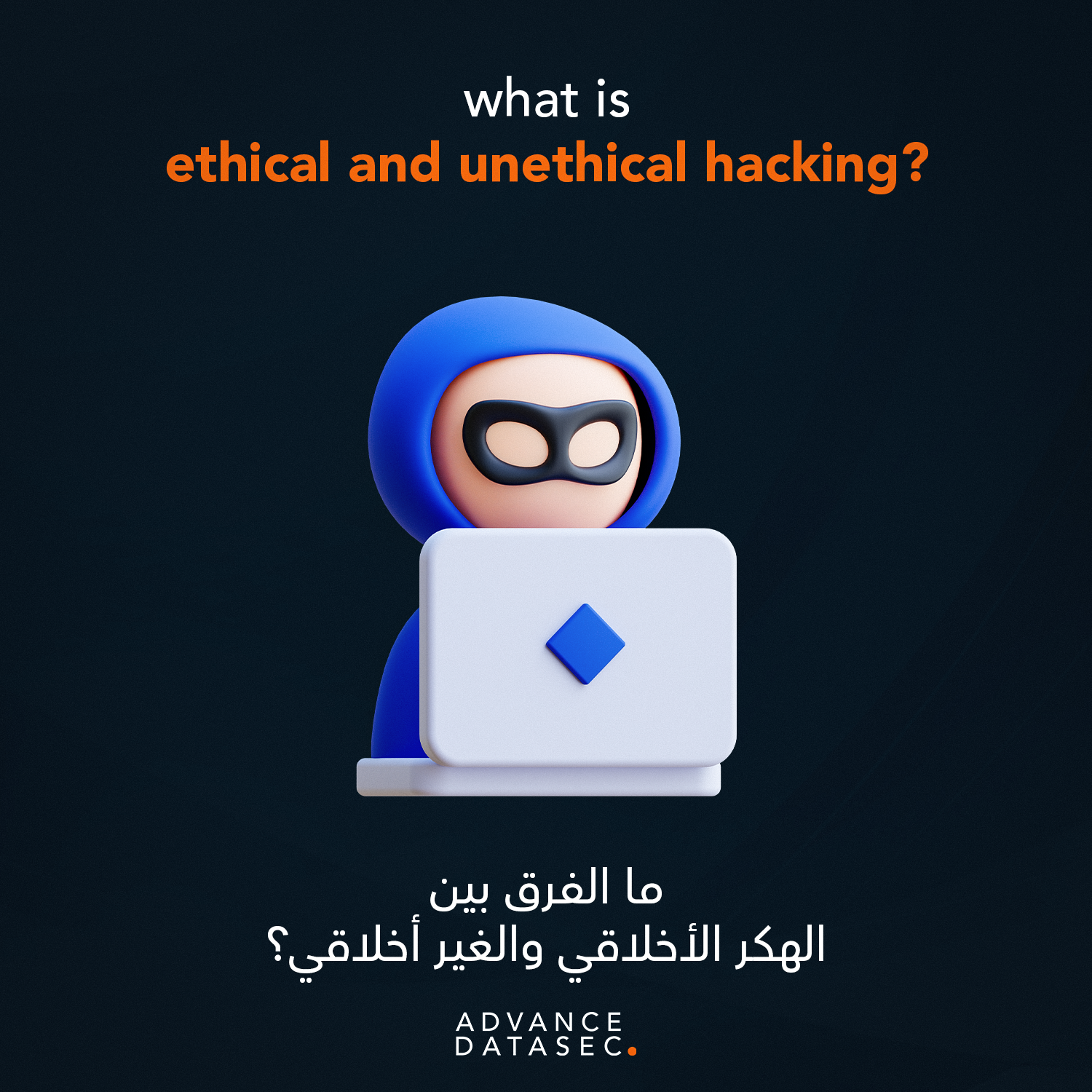
To truly secure modern enterprises, we must first confront the core question: what is ethical and unethical hacking? This distinction is essential for any CTO, CISO, or business owner seeking to understand risk, ensure compliance, and proactively fortify their digital assets. This comprehensive guide will illuminate the contrast, explain the methodologies, and detail why one form of hacking is an existential threat while the other is an absolute necessity.
Section 1: Unethical Hacking – The Pursuit of Malice (Black Hat)
Unethical hacking, commonly known as Black Hat hacking, describes any attempt to exploit system vulnerabilities for malicious gain, without the target organization’s consent. The primary motivation is almost always personal, financial, or political gain, leading to severe consequences for the victims.
The Core Motivations of a Black Hat Hacker:
- Financial Theft: Stealing credit card information, committing wire fraud, or leveraging ransomware to extort payment from organizations.
- Corporate Espionage: Stealing intellectual property (IP), trade secrets, or client data to sell to competitors or foreign entities.
- Vandalism and Disruption: Launching Denial-of-Service (DoS) or Distributed Denial-of-Service (DDoS) attacks to shut down websites or cripple critical infrastructure.
- Personal Revenge: Targeting former employers or individuals to cause reputational damage or system failure.
Common Unethical Methods:
Black Hat hackers deploy a wide range of sophisticated and persistent techniques to achieve their goals:
- Malware Deployment: Utilizing viruses, Trojans, and spyware to gain persistent access to a network.
- Zero-Day Exploits: Attacking unpatched vulnerabilities that are unknown to the software vendor, making defenses almost impossible.
- Phishing and Social Engineering: Manipulating employees—the weakest link—into revealing access credentials or executing malicious files.
The actions of unethical hackers result in billions of dollars in losses annually and leave businesses facing legal repercussions and irreparable damage to their brand trust. The goal is simple: exploit weakness for unauthorized profit.
Section 2: Ethical Hacking – The Necessary Defense (White Hat)
Ethical hacking, or White Hat hacking, represents the mirror image of its unethical counterpart. It uses the exact same tools and techniques as a criminal attacker, but with explicit, legal permission and a strictly defensive objective: to identify and fix security flaws before they can be exploited maliciously.
The goal of ethical hacking is to provide a comprehensive, real-world assessment of an organization’s security posture. When asking what is ethical and unethical hacking, the White Hat’s commitment to transparency, legality, and defense is the defining feature.
The Process of Professional Ethical Hacking:
- Scope and Agreement: The engagement begins with a formal contract defining the exact scope of the assessment (which systems, applications, and timeframes are included). This legal document is critical, as it grants the ethical hacker authorized access.
- Vulnerability Assessment: The ethical hacker first uses automated tools to scan the network, applications, and endpoints to identify known weaknesses.
- Penetration Testing: This is the practical execution phase. The hacker attempts to actively exploit the identified vulnerabilities to breach the network or gain access to sensitive data, simulating a real-world attack.
- Reporting and Remediation: The ethical hacker provides a detailed report that not only lists every vulnerability found but also includes evidence, severity ratings, and actionable, prioritized recommendations for remediation.
Services like Mobile Penetration Testing, Web Application Penetration Testing, and Source Code Review Security Testing fall directly under the umbrella of ethical hacking, allowing companies to proactively strengthen their defenses.
Section 3: The Defining Contrast: Intent, Legality, and Disclosure
While both types of hackers possess similar technical prowess, understanding what is ethical and unethical hacking requires focusing on three fundamental differences:
| Feature | Ethical Hacking (White Hat) | Unethical Hacking (Black Hat) |
| Intent | Proactive defense; improving security. | Financial gain; disruption; data theft. |
| Legality | Always legal; requires explicit, written consent from the owner. | Always illegal; unauthorized access and action. |
| Disclosure | Full, transparent reporting of vulnerabilities directly to the client. | Concealment of activity; exploitation or public sale of findings. |
| Scope | Limited to the defined, contracted scope (e.g., specific server IP). | No limits; targets any available weakness or system. |
Furthermore, a third category exists: Gray Hat Hacking. These individuals may hack into systems without permission (unethical and illegal), but their intent is often to expose the flaw to the public or the company (ethical in motive) rather than exploit it for personal gain. However, because they operate without consent, their actions are still legally considered unauthorized access.
Section 4: The Strategic Business Value of White Hat Services
In the modern threat landscape, the question is no longer if you need security, but how deeply you need to test it. Recognizing what is ethical and unethical hacking allows business leaders to strategically invest in the former to protect against the latter.
Ethical hacking services, especially comprehensive Offensive Security Services, offer strategic value:
- Regulatory Compliance: Many regional and international regulations (like those enforced by Saudi Arabia’s NCA and SAMA) mandate regular penetration testing to maintain compliance status.
- Risk Reduction: By finding weaknesses through a controlled, authorized attack simulation, organizations drastically reduce the attack surface available to criminal hackers.
- Cost Efficiency: The cost of an annual Penetration Test is negligible compared to the financial and reputational fallout from a single, successful Black Hat breach.
When you ask what is ethical and unethical hacking, you realize that ethical hacking is the professional service that converts potential vulnerabilities into resolved security controls.
Conclusion: Making the Right Choice for Digital Safety
The power of hacking can be wielded as both a weapon and a shield. The distinction between what is ethical and unethical hacking rests entirely on the authority, consent, and ultimate goal of the practitioner. For businesses, relying on White Hat expertise is the only sustainable way to build a robust, adaptive, and compliant security posture.
Do not wait for a Black Hat hacker to expose your weaknesses. Convert the threat into a defensive advantage.
Fortify your business with real-world security testing. Contact Advance Datasec today to schedule your comprehensive Penetration Testing and Offensive Security assessment and ensure your defenses are impenetrable.
For More Articles: